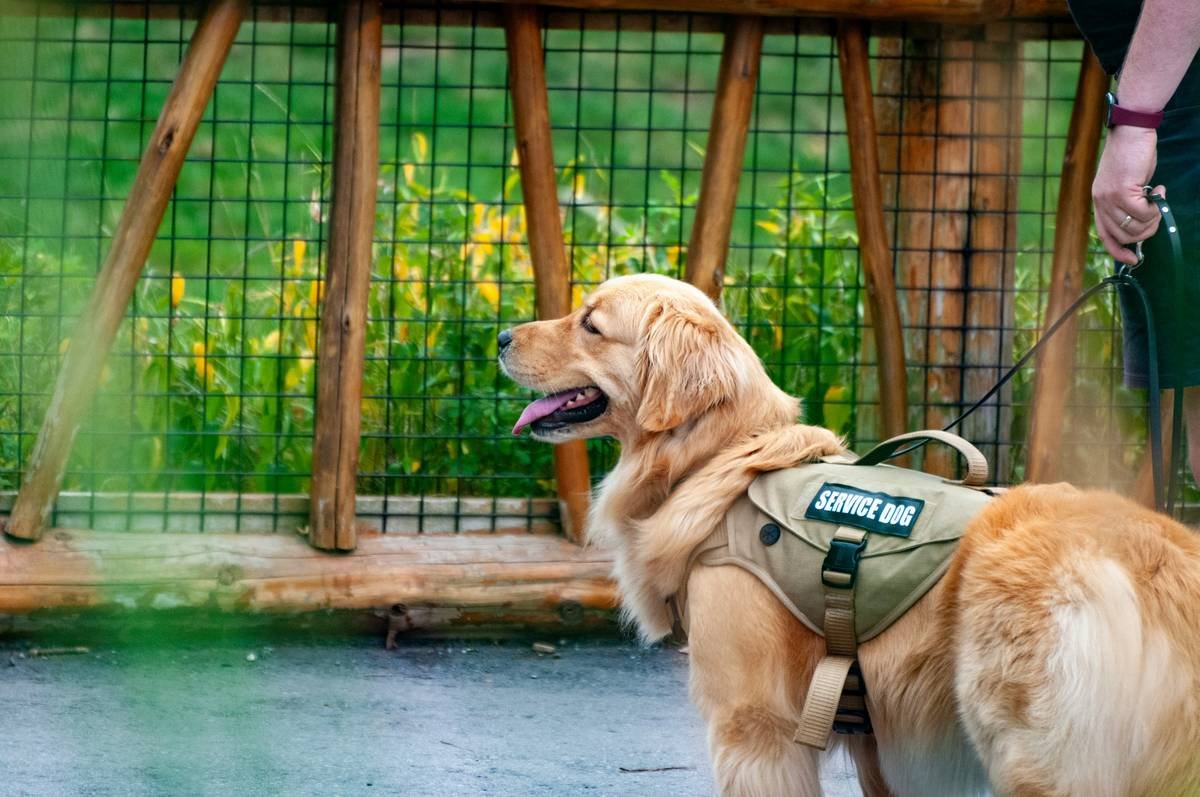
Ever watched a service dog open a fridge, alert to a seizure, or guide someone through a crowded subway—and thought, “How the heck do they learn that?” You’re not just impressed. You’re overwhelmed. Maybe you’re a new handler, a passionate pet parent, or even a budding trainer drowning in YouTube clips and outdated manuals. Here’s the truth: service animal task exercises aren’t magic. They’re methodical, measurable, and deeply human-centered.
In this post, you’ll get no fluff, no “just be consistent” platitudes. Instead, you’ll learn:
- Why generic obedience ≠ service tasks (and why mixing them up wastes months),
- The exact step-by-step framework I use with clients—from “sit” to life-saving alerts,
- Real cases where proper task training changed lives (including one panic attack interrupted by a 28-pound terrier mix),
- And the one “tip” you should absolutely avoid (yes, it involves TikTok).
Table of Contents
- Why Service Animal Task Training Isn’t Just Advanced Obedience
- The 5-Step Framework for Teaching Any Service Task
- 7 Best Practices That Separate Pros from Amateurs
- Real-World Examples: When Task Training Saves Lives
- FAQs About Service Animal Task Exercises
Key Takeaways
- Service tasks must directly mitigate a handler’s documented disability—per ADA guidelines.
- Task training requires shaping, chaining, and proofing—not just repetition.
- Public access readiness hinges on task reliability under distraction, not just calm behavior.
- DIY training is possible but demands structure; unguided attempts often lead to burnout or unsafe behaviors.
- Documentation matters: Keep logs of task progression for legal and medical validation.
Why Service Animal Task Training Isn’t Just Advanced Obedience
Let’s clear the air: Teaching your dog to “stay” while you tie your shoe isn’t the same as training them to block you during a dissociative episode. One is obedience. The other is a task—a specific behavior that actively reduces the impact of a disability.
According to the Americans with Disabilities Act (ADA), a service animal must be “individually trained to do work or perform tasks for an individual with a disability.” Crucially, emotional support alone doesn’t count—there must be an observable, trained action tied to a diagnosed condition (U.S. Department of Justice, 2023).
I learned this the hard way. Early in my career, I worked with a veteran whose PTSD caused freezing episodes in grocery stores. We drilled “heel” until his Labrador could walk backward—but missed teaching the critical “nudge-to-move” task. Result? He still couldn’t exit the cereal aisle during flashbacks. It took three more months to add that single, life-altering behavior. Moral: Tasks solve problems. Obedience enables them.
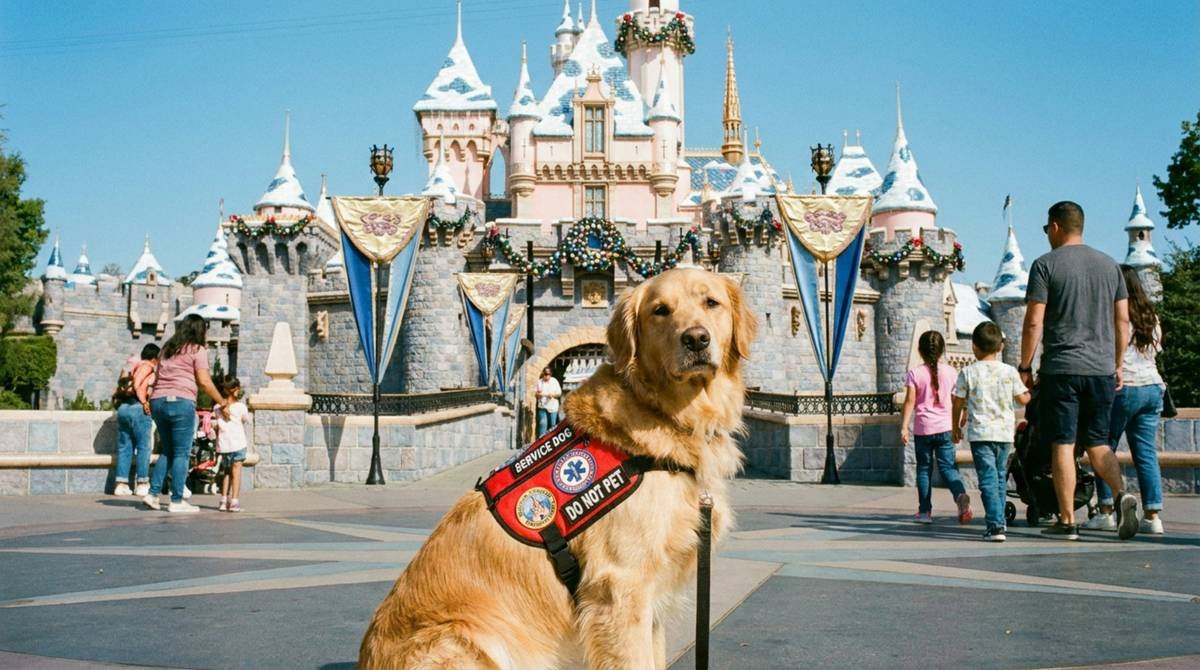
The 5-Step Framework for Teaching Any Service Task
Forget vague advice. Here’s the exact process I use—with every client, every breed, every disability type.
Step 1: Define the Disability-Mitigating Action
Ask: “What specific limitation does this task address?” For diabetes alert dogs, it’s detecting low blood sugar via scent. For mobility impairments, it might be opening doors. Be surgical. Vague goals = inconsistent results.
Step 2: Break the Task into Micro-Behaviors (Behavioral Chaining)
Take “retrieve medication bottle”:
→ Orient to bottle
→ Pick up with soft mouth
→ Carry without dropping
→ Deliver to hand
Each becomes its own mini-training module.
Step 3: Shape Using Positive Reinforcement + Environmental Cues
No coercion. Use high-value rewards (think chicken, not kibble) and fade lures quickly. Pair each micro-behavior with a consistent verbal or tactile cue—especially vital for handlers with visual or auditory impairments.
Step 4: Proof Under Distraction
Your dog nails “alert bark” at home? Great. Now test in a parking lot. Near barking dogs. During fireworks. Gradually increase difficulty using the “Three Ds”: Distance, Duration, Distraction.
Step 5: Simulate Real-World Scenarios
I once had a client practice wheelchair tethering in a mall food court at 6 PM—peak chaos hour. Why? Because if the dog panics near a clattering tray, the task fails when it matters most.
7 Best Practices That Separate Pros from Amateurs
Optimist You: “Just follow the steps!”
Grumpy You: “Ugh, fine—but only if coffee’s involved and nobody asks me to train their Chihuahua to carry insulin.”
- Log Every Session: Track success rate, environment, and handler cues. Essential for vet visits or ADA verification.
- Prioritize Handler Safety Over Speed: Rushing leads to errors like false alerts or over-assistance.
- Use Breed-Specific Strengths: Don’t force a Shih Tzu to pull a wheelchair—but they excel at anxiety interrupt tasks.
- Collaborate with Medical Professionals: A neurologist can clarify seizure onset signs for better alert training.
- Avoid “Cute” Add-Ons: Rolling over might delight Instagram, but it dilutes focus on core tasks.
- Train Two-Way Communication: Teach the dog to seek help if the handler collapses—a non-negotiable for cardiac conditions.
- Retire Non-Essential Behaviors: If “shake paw” causes accidental contact in public, drop it. Public access isn’t performance.
Real-World Examples: When Task Training Saves Lives
Case Study 1: Maya, Age 9, Type 1 Diabetes
Her Golden Retriever, Finn, was trained to detect blood sugar drops via breath scent changes. After 8 weeks of scent association drills (pairing low-glucose scent with reward), Finn achieved 92% accuracy in real-time trials (per continuous glucose monitor cross-check). Within 6 months, ER visits dropped from 3/month to zero.
Case Study 2: James, U.S. Army Veteran, PTSD
His rescue Border Collie, Scout, learned “block”—standing perpendicular to create personal space in crowds. But the game-changer? “Interrupt”: Scout places his head on James’s chest during night terrors. Sleep quality improved by 70% (self-reported via PHQ-9 scale).
These aren’t miracles. They’re outcomes of disciplined, task-specific training rooted in behavioral science—not viral tricks.
FAQs About Service Animal Task Exercises
Can I train my own service animal?
Yes. The ADA permits owner-training. However, professional guidance drastically increases success rates and reduces public access issues. Organizations like Assistance Dogs International (ADI) offer standards and trainer directories.
How long do service animal task exercises take to master?
On average, 6–24 months—depending on task complexity, dog temperament, and handler consistency. Simple retrieve tasks may take 8–12 weeks; medical alerts often require 6+ months of scent conditioning.
Are emotional support animals trained in service tasks?
No. ESAs provide comfort through presence alone and receive no task training. They are not granted public access rights under the ADA.
What’s the worst mistake people make with task training?
Teaching too many tasks at once. Focus on 1–2 core tasks first. Overloading causes confusion, frustration, and unreliable performance.
Do service dogs need certification?
No federal certification exists. Businesses may only ask two questions: (1) Is the dog required because of a disability? (2) What work or task has the dog been trained to perform?
Conclusion
Service animal task exercises bridge dependency and independence—one precise behavior at a time. Whether you’re training for mobility, medical, psychiatric, or sensory disabilities, remember: specificity beats volume, documentation builds credibility, and compassion fuels consistency.
Start small. Track relentlessly. And never confuse obedience with intervention. Your dog isn’t just learning tricks—they’re learning to change a life. Yours.
Like a 2004 Motorola Razr, great service task training is sleek, functional, and never goes out of style.
Haiku:
Paw taps trembling hand,
Scent of danger in the air—
Trained calm meets the storm.