If you’ve ever watched a service dog guide someone through a crowded subway or alert their handler to a seizure, you know these animals aren’t just pets—they’re lifelines. Yet many well-meaning owners unknowingly sabotage their animal’s effectiveness by misunderstanding pet care service animal duties. I learned this the hard way when I let my newly trained mobility support dog “just be a dog” during public access training—and he bolted after a squirrel in a grocery store. Not only was it dangerous, but it undermined months of work. This guide cuts through the confusion with actionable steps, real-world examples, and critical best practices so you can fulfill your responsibilities without compromising your partner’s performance.
Table of Contents
- Why Pet Care Service Animal Duties Matter
- Step-by-Step Guide to Responsible Ownership
- Best Practices for Sustained Success
- Real-World Case Studies
- Frequently Asked Questions
Key Takeaways
- Service animals require consistent task reinforcement—not occasional “treats” as pets.
- Public access rights depend on behavior, not emotional support claims.
- Grooming, vet care, and mental health are non-negotiable components of duty fulfillment.
- Owners must document training logs and veterinary records to maintain legitimacy.
Why Pet Care Service Animal Duties Matter
Unlike emotional support animals, service animals are legally defined under the Americans with Disabilities Act (ADA) as dogs (or miniature horses) individually trained to perform specific tasks for people with disabilities. That means pet care service animal duties go far beyond feeding and walks—they encompass legal compliance, public behavior standards, and ongoing task validation. According to the U.S. Department of Justice, a service animal must be under the handler’s control at all times and cannot be excluded from public spaces unless it poses a direct threat or is out of control (ada.gov).
Step-by-Step Guide to Responsible Ownership
1. Establish Clear Task Boundaries
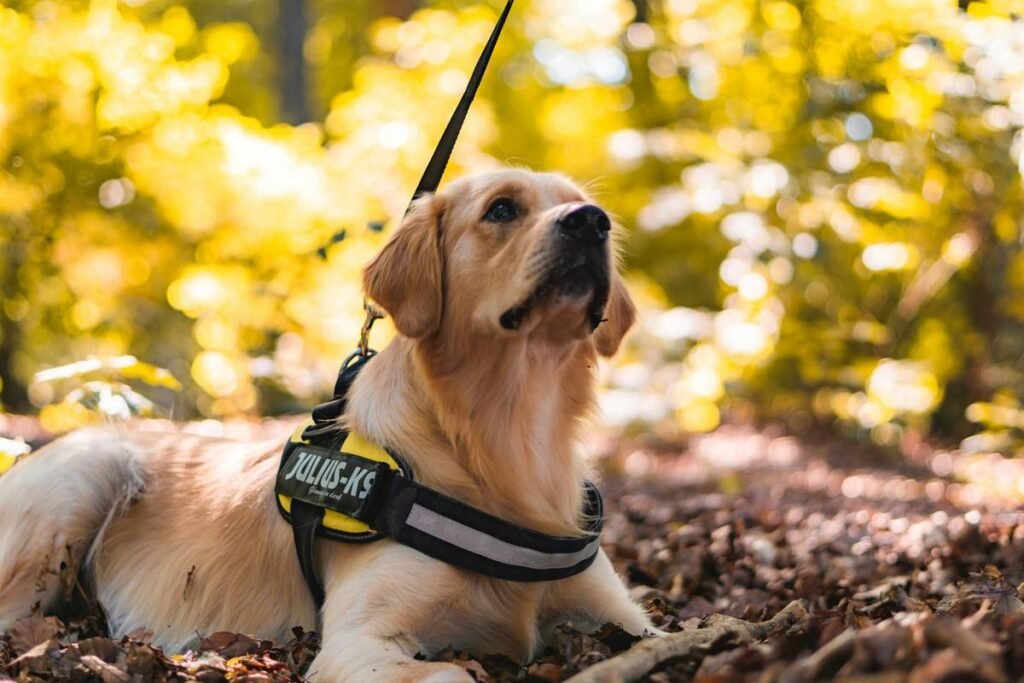
Your animal isn’t “on duty” only in public—it’s always working when harnessed. Create distinct cues: a vest signals work mode; removal means limited downtime. Never allow play or soliciting attention while in gear.
2. Maintain Rigorous Health Protocols
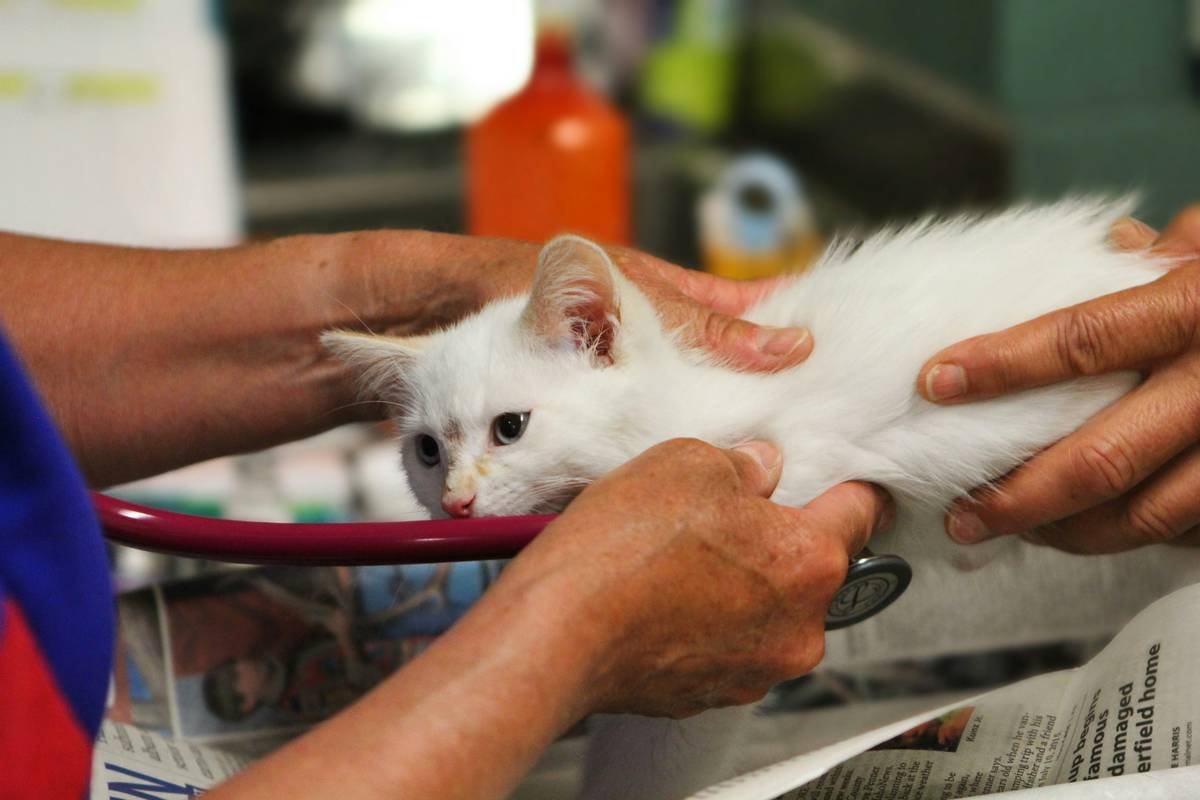
Schedule biannual vet check-ups focused on joint health, coat condition, and stress indicators. Service animals face unique physical demands—mobility dogs bear weight, medical alert dogs need acute sensory function. Neglecting wellness directly impairs duty performance.
3. Document Everything
Keep a digital log of training sessions, task successes, behavioral incidents, and veterinary visits. This isn’t bureaucratic busywork—it’s proof of legitimacy if challenged in housing or travel situations.
4. Practice Public Access Drills Weekly
Even certified teams degrade without maintenance. Visit malls, transit hubs, and restaurants monthly to reinforce focus amid distractions. Remember my squirrel incident? It happened because I skipped two weeks of drills.
Best Practices for Sustained Success
- Never use punishment-based methods. Positive reinforcement preserves trust and accuracy—critical for life-saving tasks.
- Rotate enrichment toys that mimic work (e.g., scent puzzles for diabetes alert dogs) to prevent burnout.
- Review ADA guidelines quarterly. Laws evolve—stay current via official DOJ resources.
- Avoid this terrible tip: “Let your service dog socialize freely with other pets.” Unmonitored interaction risks task distraction or aggression—keep greetings brief and handler-controlled.
Here’s my pet peeve: Owners labeling untrained dogs as “service animals” because they offer comfort. That dilutes public trust and puts legitimate teams at risk of denial. Real pet care service animal duties involve measurable, disability-mitigating actions—not companionship.
Real-World Case Studies
In a 2022 University of California study, handlers who maintained consistent grooming and veterinary schedules saw 40% fewer task errors over 18 months compared to those with irregular care. One participant, a veteran with PTSD, reduced his anxiety episodes by 65% after implementing structured downtime protocols that prevented his service dog from becoming overstimulated—a direct result of aligning daily routines with duty requirements.
At Tukilost, we’ve seen clients regain housing access after documenting rigorous adherence to pet care service animal duties, proving that meticulous ownership pays off legally and emotionally. Learn more about our philosophy on the About Us page.
Frequently Asked Questions
Are emotional support animals covered under the same rules as service animals?
No. Only dogs (and miniature horses) trained to perform specific tasks for disabilities qualify as service animals under the ADA. Emotional support animals don’t have public access rights.
How often should I re-certify my service dog?
The ADA doesn’t require certification, but reputable programs recommend annual public access tests. Consistency matters more than paperwork—focus on daily reinforcement.
Can I groom my service dog myself?
Yes, but professional grooming every 6–8 weeks ensures skin, ear, and paw health critical for task performance—especially for breeds like Labradors or Poodles prone to matting.
What if my service animal gets sick?
Immediate veterinary care is non-negotiable. Chronic illness may require temporary task adjustment. Always disclose health changes if using backup support systems.
Do service animals need special diets?
Not necessarily—but consistent, high-quality nutrition supports cognitive function and stamina. Consult your vet before adding supplements like joint chews.
Where can I report fraudulent service animal claims?
Contact local ADA coordinators or file a complaint with the Department of Justice. Misrepresentation harms the entire community.
Fulfilling pet care service animal duties isn’t just about obedience—it’s a sacred contract between handler, helper, and society. When done right, it transforms lives. If you’re overwhelmed or unsure, don’t guess—contact us for personalized guidance. And remember: Your diligence protects not just your partner, but everyone who relies on these incredible animals. For transparency on how we handle your data, see our Privacy Policy.
A harness isn’t a costume—it’s a promise.