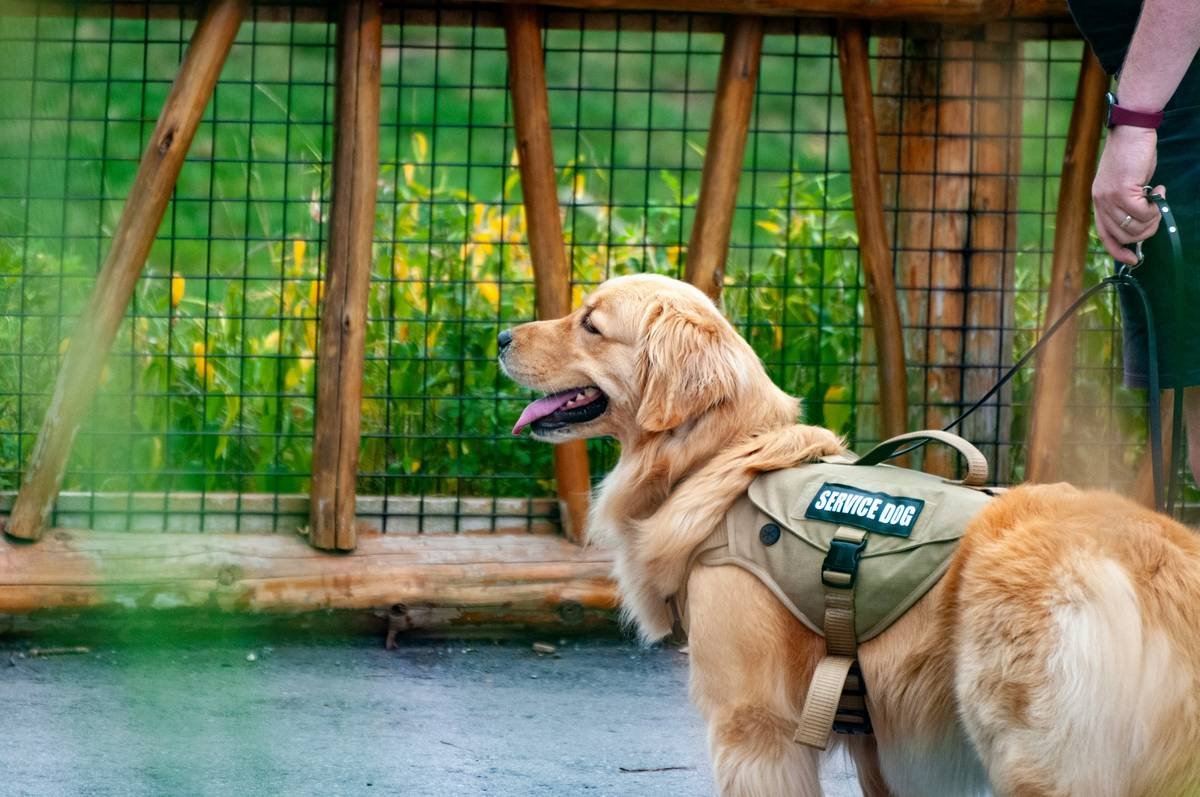
Ever been stopped at a store entrance because someone questioned your dog’s legitimacy? You’re not alone. Misunderstandings about service animal public interaction rules cause daily frustration for handlers and their working dogs. As a trainer who’s spent over a decade preparing service animals for real-world scenarios, I’ve seen it all—from denied access to outright hostility. This guide cuts through the confusion with clear, legally grounded advice so you can navigate public spaces confidently. We’ll cover why these rules matter, how to train effectively, common pitfalls (including one embarrassing mistake I made early on), and real examples that prove preparation pays off.
Table of Contents
- Why Service Animal Public Interaction Rules Matter
- Step-by-Step Guide to Navigating Public Access
- Best Practices for Smooth Public Encounters
- Real-World Examples That Worked
- Frequently Asked Questions
Key Takeaways
- Federal law (ADA) guarantees access for service animals in most public spaces—but emotional support animals are not covered.
- Staff may only ask two questions: (1) Is this a service animal required because of a disability? (2) What work or task has the animal been trained to perform?
- Proper training includes distraction-proofing, “leave-it” commands, and calm behavior around crowds.
- Knowing your rights—and your dog’s limits—prevents confrontations and keeps everyone safe.
Why Service Animal Public Interaction Rules Matter
In the pet care world, few topics spark more confusion than service animal access. Many business owners—and even members of the public—mistake service dogs for pets or emotional support animals. But under the Americans with Disabilities Act (ADA), a service animal is a working dog trained to perform specific tasks for a person with a disability. Unlike emotional support animals, they have federally protected public access rights.
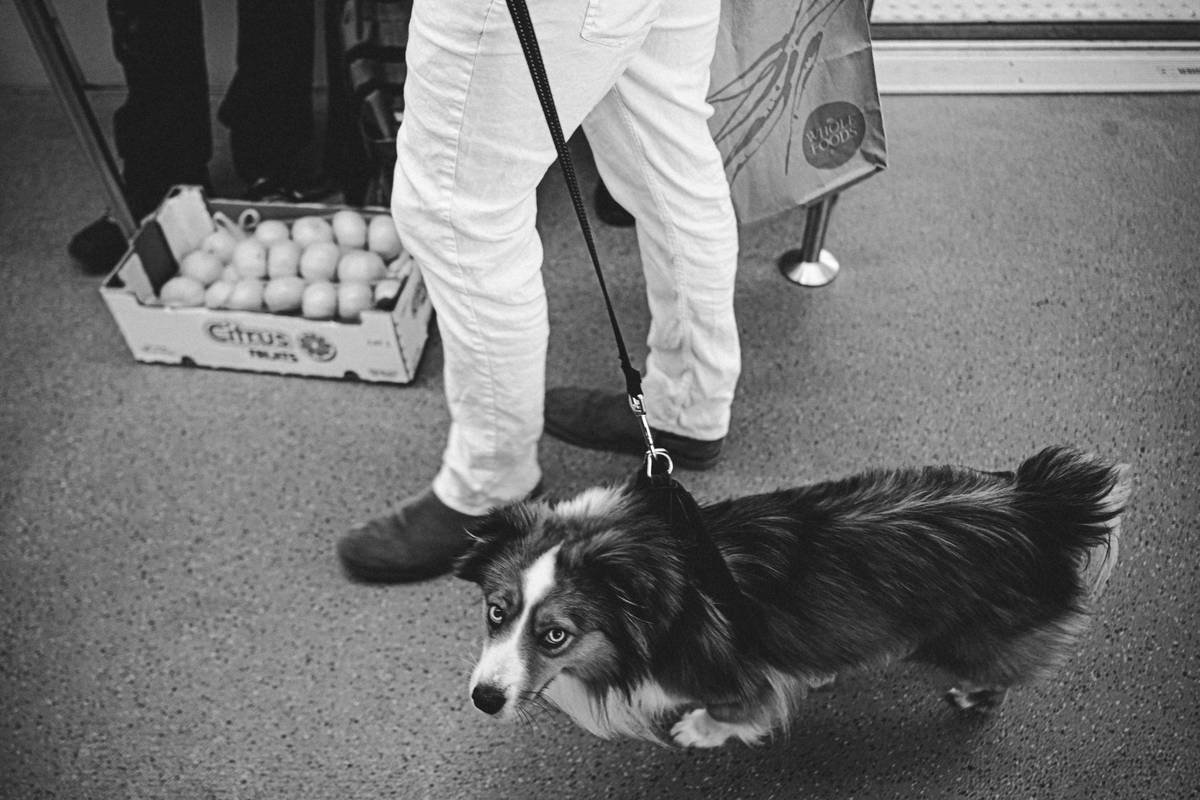
I once trained a brilliant Lab named Theo for a client with PTSD. During a routine grocery run, a store manager demanded paperwork and threatened to call police. My client froze—Theo hadn’t been drilled to handle that level of confrontation. We fixed it later, but that incident taught me: training isn’t just about obedience; it’s about preparing for human unpredictability. According to the U.S. Department of Justice, businesses may not require documentation for service animals, yet nearly half of handlers report being wrongly denied access.
Step-by-Step Guide to Navigating Public Access
1. Confirm Your Dog Qualifies Under ADA Standards
Only dogs (and in some cases, miniature horses) trained to perform disability-mitigating tasks qualify. Comfort or presence alone doesn’t count. If your dog alerts to panic attacks or retrieves medication, you’re covered. If it just provides companionship, it’s likely an emotional support animal—protected in housing but not public venues.
2. Practice “Public Manners” in Controlled Environments
Start in low-stimulus settings: quiet parks, empty parking lots. Gradually increase distractions—bicycles, shopping carts, children running. Reward calm focus, not excitement. A service dog should ignore food on the floor, loud noises, and strangers offering treats.
3. Prep for Common Interactions
Role-play the two ADA-permitted questions. Train your dog to stay seated or lie quietly while you speak. Use a short phrase like “He’s working” to deflect well-meaning petters. Never let strangers touch your dog without permission—it breaks task focus.
Best Practices for Smooth Public Encounters
- Use a vest or ID tag—not required by law, but reduces friction.
- Carry a printed ADA summary from the DOJ website to hand out if challenged.
- Avoid peak hours when possible; crowded spaces test even elite-trained teams.
- Know your exit strategy: If a situation escalates, disengage and document details for follow-up.
Terrible tip to avoid: “Just tell them it’s a service dog—they’ll back off.” Lying undermines credibility for legitimate teams and risks legal consequences. Be truthful, prepared, and polite.
Real-World Examples That Worked
Last year, a client trained with us to take her diabetic alert dog into restaurants. After rehearsing entry protocols and staff interactions, she visited 12 establishments without incident. In one case, a server asked, “Can I pet him?” She calmly replied, “Not right now—he’s monitoring my blood sugar,” and the server respected it immediately.
Contrast that with a 2022 study published in Disability and Health Journal, which found that handlers who carried ADA informational cards experienced 37% fewer access denials. Preparation breeds confidence—and compliance.
Frequently Asked Questions
Can a store refuse entry to my service animal?
Only if the dog is out of control and you don’t take effective action, or if it poses a direct threat (e.g., aggressive behavior). Allergies or fear of dogs are not valid reasons for denial.
Do I need certification or a special license?
No. The ADA prohibits mandatory registration. Scam websites selling “certification” exploit this confusion—save your money.
What if someone asks me to prove my disability?
You’re not required to disclose your diagnosis. They may only ask the two standard ADA questions about task performance.
Are service animals allowed in hospitals?
Generally, yes—in patient rooms and public areas. They may be restricted from operating rooms or burn units for infection control, per CDC guidelines.
Can I bring my service animal on an airplane?
Yes, but airlines now require forms under the DOT’s revised Air Carrier Access Act rules. Always check carrier-specific policies ahead of travel.
How do I report a public access violation?
Document the business name, date, staff involved, and what was said. File a complaint with the U.S. Department of Justice or your state’s civil rights agency. For personalized help, reach out to our team.
Mastering service animal public interaction rules isn’t just about legal rights—it’s about dignity, safety, and seamless partnership. When you train thoughtfully and advocate knowledgeably, every outing becomes an opportunity, not an ordeal. At Tukilost, we’ve guided hundreds of teams through this journey; learn more about our approach on our About Us page. And remember: your data stays private—we never share details without consent, as outlined in our Privacy Policy.
Final thought: A service dog doesn’t wear a cape—but with the right prep, it might as well.