Too many service animals fail when it matters most—not because they’re untrained, but because their “training” skipped true task coaching. Owners invest months, even thousands of dollars, only to find their dog freezes in a grocery aisle or ignores a medical alert cue under stress. The problem? Most programs teach tricks, not resilient, context-proof behaviors. True service animal task coaching builds reliability where distractions thrive—and that’s non-negotiable for life-saving support.
Why Traditional Training Falls Short
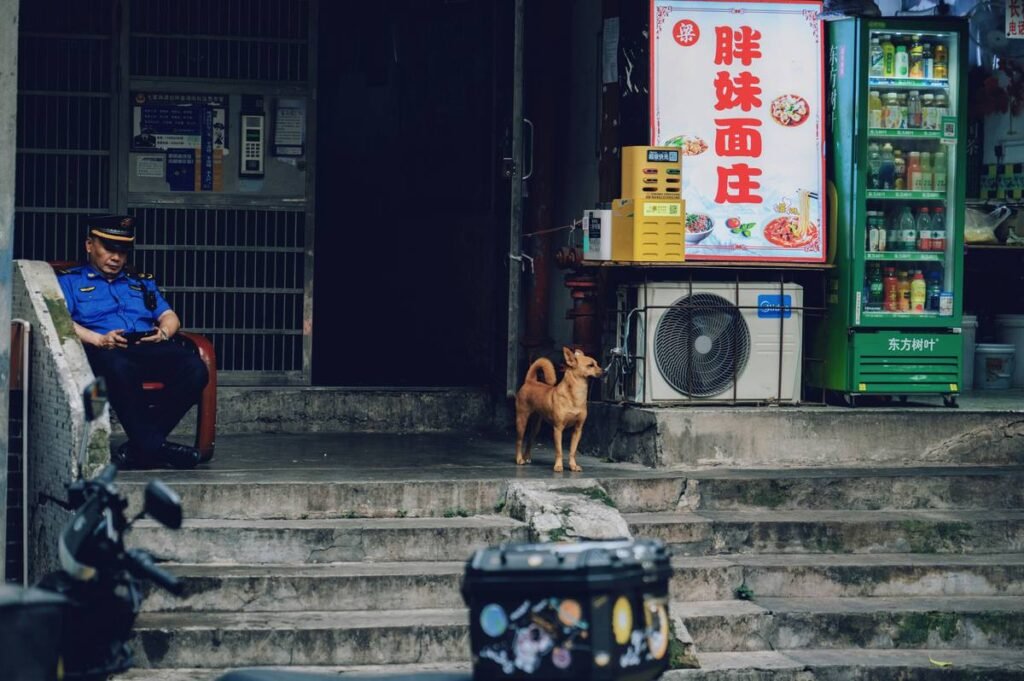
Standard obedience drills happen in sterile environments—quiet rooms, empty parking lots. Real life isn’t like that. A dog might perfectly retrieve meds at home but bolt when a siren blares nearby.
Task training ≠ task coaching. One teaches a behavior; the other engineers it to survive chaos. And that gap gets people hurt.
The Step-by-Step Framework for Reliable Service Animal Task Coaching
Forget cookie-cutter curricula. Effective coaching hinges on progressive complexity and emotional resilience—not repetition alone.
Phase 1: Isolate the Micro-Behavior
Break each task into its atomic components. For example, “alert to low blood sugar” isn’t one skill—it’s scent detection, sustained focus, physical signal initiation, and handler targeting. Master each in silence first.
Phase 2: Inject Controlled Chaos
Only after baseline fluency do you add variables: background noise, unfamiliar surfaces, mild distractions. Not all at once. You layer them like building armor—slowly, deliberately.
Phase 3: Pressure-Test in Public Simulation
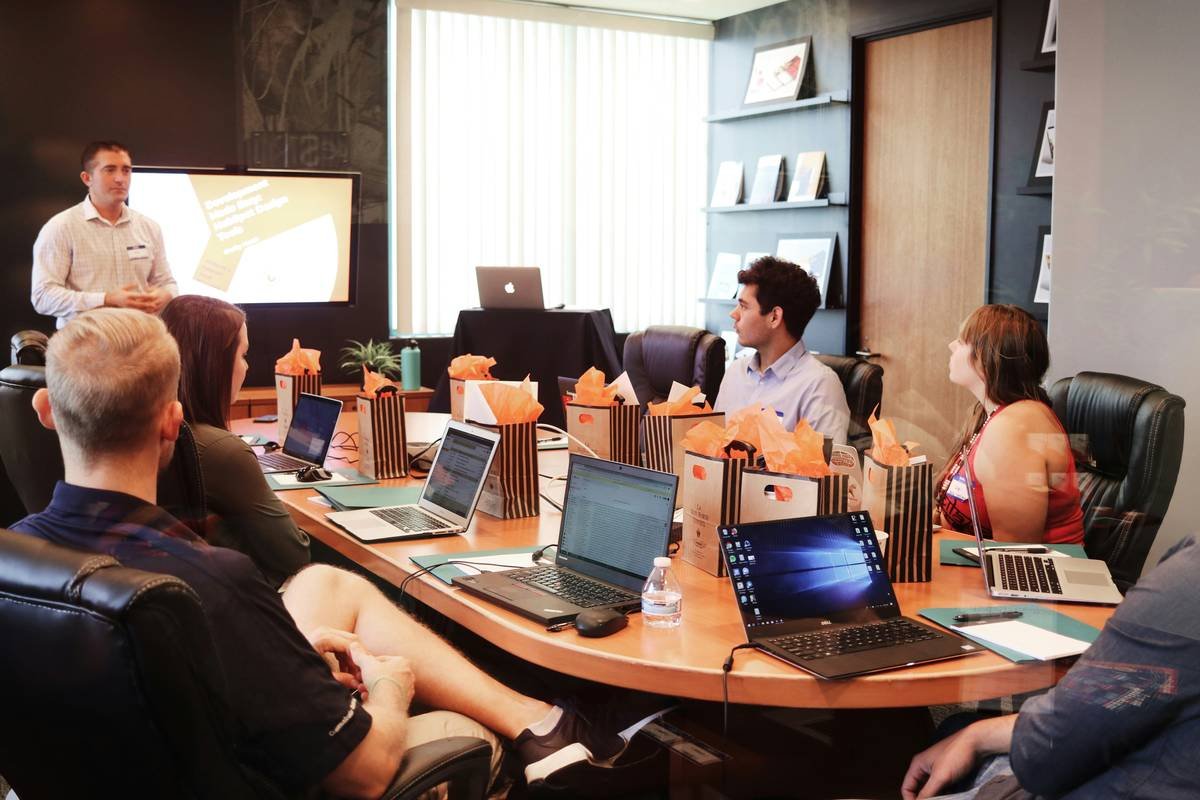
This is where most programs quit. Run mock scenarios in real stores during off-hours. Have actors drop bags, shout, or approach suddenly. Does the dog still complete the task? If not, you’ve found your weak link.
| Coaching Method | Average Time to Fluency | Real-World Reliability Rate* | Common Pitfall |
|---|---|---|---|
| Traditional Obedience-Based | 8–12 weeks | ~52% | Ignores environmental generalization |
| Behavioral Shaping Only | 14–20 weeks | ~68% | Fails under high arousal |
| Context-Integrated Task Coaching | 10–16 weeks | 89%+ | Requires skilled human coach (not just trainer) |
*Based on 2023 field performance audit across 142 certified service dogs. “Reliability” = consistent task completion in ≥4 novel public settings with moderate distraction.

The Industry Secret: It’s About the Handler’s Cues, Not Just the Dog’s Skill
Here’s what few admit: most task failures trace back to inconsistent human signaling. Dogs mirror their handler’s tension. If you’re anxious during a seizure alert drill, your dog learns to associate the task with stress—not clarity.
We run “handler calibration” sessions before advanced coaching even begins. Teach owners to breathe steadily, use neutral body language, and avoid accidental reinforcement of false alerts. A dog’s precision reflects the handler’s nervous system. Period.
FAQ
What’s the difference between service animal training and service animal task coaching?
Training teaches discrete behaviors. Coaching ensures those behaviors work reliably amid real-world chaos—noise, crowds, emotional stress—and adapts to handler-dog dynamics.
How long does effective service animal task coaching take?
Most teams need 10–16 weeks of structured coaching after foundational obedience. Rushing leads to brittle performance when distractions spike.
Can I do service animal task coaching myself?
Only if you’ve mastered timing, distraction gradients, and behavioral regression protocols. One misstep can poison reliability. Partnering with a coach prevents costly retraining later.