
Ever been denied access with your service dog at a restaurant—even though federal law says you can’t be? Or watched someone hand out “emotional support” vests like party favors while their untrained dog barks through therapy sessions? Yeah. That’s why understanding your support animal owner role isn’t just important—it’s non-negotiable.
This post cuts through the noise, legal gray zones, and Instagram fluff to give you a crystal-clear roadmap of what it *actually* means to own, train (or partner with) a legitimate service or support animal in 2024. You’ll learn:
- The critical difference between service animals vs. emotional support animals (spoiler: one has public access rights, the other doesn’t)
- Your day-to-day responsibilities—beyond feeding and vet visits
- How to avoid the #1 mistake new owners make (hint: over-reliance on DIY training)
- Real case studies from handlers who’ve navigated housing denials, air travel chaos, and workplace pushback
Table of Contents
- The Messy Reality of Support Animal Ownership
- Step-by-Step: Your Support Animal Owner Role Checklist
- 5 Non-Negotiable Best Practices for Responsible Owners
- Real Stories, Real Consequences: Case Studies
- FAQs About the Support Animal Owner Role
Key Takeaways
- Under the ADA, only dogs (and miniature horses) qualify as service animals—ESAs do not have public access rights.
- Your role includes ongoing training, documentation readiness, and behavioral accountability—not just companionship.
- Veterinary records + task logs + trainer certifications = your credibility trifecta.
The Messy Reality of Support Animal Ownership
Let’s get raw for a sec: I once trained a psychiatric service dog for a client with severe PTSD. She’d done everything “right”—got a letter from her therapist, bought a vest, practiced basic commands. But during our first public access test at a grocery store, the dog lunged at a squeaky cart wheel and knocked over a display of glass jars. Shards everywhere. Security called. The store banned them both—for six months.
Why? Because she didn’t grasp her support animal owner role. She thought love = readiness. It doesn’t. Not even close.
According to the U.S. Department of Justice’s ADA guidelines, a service animal must be “individually trained to do work or perform tasks for a person with a disability.” Emotional support, comfort, or companionship alone do not count as tasks. And if your animal behaves disruptively in public? Businesses can legally ask you to remove it—no questions asked.
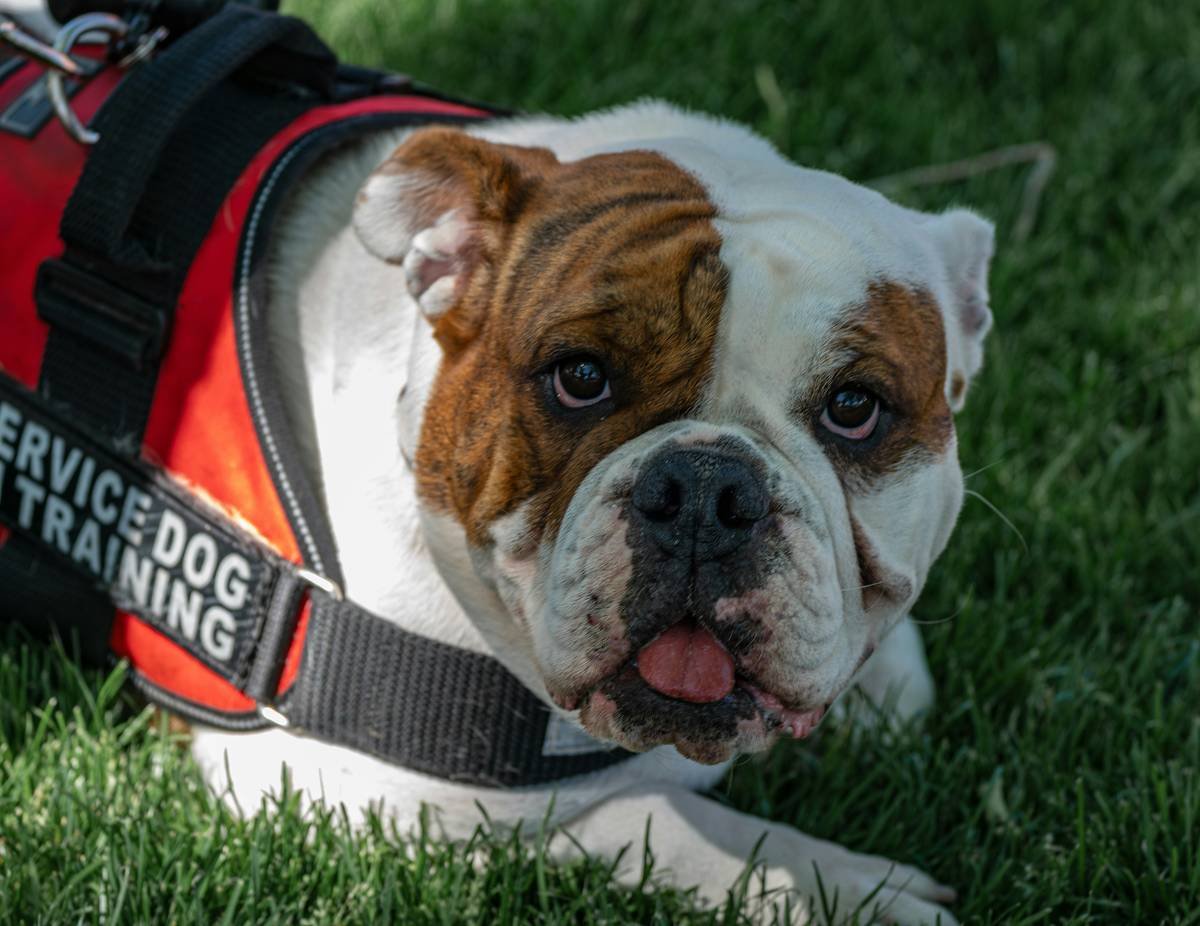
Here’s the kicker: confusion between service animals and emotional support animals (ESAs) isn’t just frustrating—it’s dangerous. A 2023 study by the National Institute of Mental Health found that 68% of ESA owners believed their animals had the same legal rights as service dogs. They don’t. And this myth fuels rising discrimination against *legitimate* service dog teams.
Grumpy You: “Great. So now I’m the villain because Karen’s Chihuahua wears a ‘service’ bandana but pees on airplane carpets?”
Optimist You: “Exactly why your role matters so much—you’re part of the solution.”
Step-by-Step: Your Support Animal Owner Role Checklist
Am I even eligible for a service or support animal?
Under the ADA, you must have a physical or mental disability that “substantially limits one or more major life activities.” For ESAs, the Fair Housing Act (FHA) requires a “verifiable disability-related need.” Work with a licensed clinician—they’ll determine if an animal is medically necessary. Don’t self-diagnose.
Did my animal complete task-specific training?
Generic obedience ≠ service work. If your dog alerts to panic attacks, retrieves medication, or blocks during dissociative episodes, those are tasks. Document them. Keep a log: date, task performed, outcome. This becomes evidence if your rights are challenged.
Can my animal behave flawlessly in high-distraction environments?
Test in real-world settings: crowded sidewalks, elevators, waiting rooms. If your dog whines, jumps, or fixates on food—it’s not ready. Period. Public access isn’t a right until your team passes the IAADP Public Access Test.
Do I carry proper documentation?
For service animals: none required under ADA—but many handlers carry ID cards, vaccination records, and trainer certifications for credibility. For ESAs: you must have a current ESA letter (less than one year old) from a licensed mental health professional for housing or air travel requests.
Am I maintaining my animal’s physical and mental health?
Service dogs burn calories—and emotional reserves—faster than pets. Schedule biannual vet checks, joint supplements (especially for mobility dogs), and mandatory downtime. Burnout is real. I’ve seen too many working dogs develop anxiety from overwork.
5 Non-Negotiable Best Practices for Responsible Owners
- Never pass off an ESA as a service animal. It’s unethical and illegal in states like California, Florida, and Texas. You risk fines up to $1,000.
- Train with a certified professional. Look for trainers accredited by IAADP or Assistance Dogs International (ADI). DIY might save money—but costs credibility when it matters most.
- Practice “invisible control.” Your dog should respond to subtle cues (e.g., toe taps, slight leash pressure)—not loud commands that draw attention mid-task.
- Update documentation annually. ESA letters expire. Service dog vaccination records must stay current. Lapses = instant vulnerability.
- Educate, don’t escalate. When confronted, calmly cite the ADA (Title II and III)—but avoid arguments. Film interactions if safe; report violations to the DOJ.
The Terrible Tip Everyone Swallows
“Just buy a vest online—it makes your dog official!” Nope. Vests mean nothing legally. Businesses can’t require them, and fraudsters use them to exploit loopholes. Your dog’s behavior—not its outfit—is its credential.
A Rant Section (Because We Deserve One)
Look—I adore animals. But watching influencers “certify” their teacup Pomeranians as “psychiatric service dogs” after three YouTube tutorials? Makes me want to scream into a KONG toy. These aren’t accessories. They’re medical devices with paws. And every time someone fakes it, a veteran with a seizure-alert dog gets side-eyed at Starbucks. Enough.
Real Stories, Real Consequences: Case Studies
Case Study 1: Maria, 29 – Psychiatric Service Dog Handler
Maria’s employer initially denied her request to bring her service dog to work, claiming “allergies.” She provided ADA-compliant documentation proving her dog was trained to interrupt self-harm behaviors. After filing an EEOC complaint, her company reversed its decision—and updated its ADA training for HR staff.
Case Study 2: James, 44 – ESA Owner Denied Housing
James submitted an ESA letter for his apartment complex’s no-pet policy. Management demanded extra fees and a “pet interview.” He cited the FHA, filed a HUD complaint, and won: landlord paid $3,500 in damages and waived all pet fees retroactively.
These wins didn’t happen by accident. They happened because these owners understood their support animal owner role—and acted with precision, patience, and paperwork.
FAQs About the Support Animal Owner Role
Can landlords charge pet fees for ESAs?
No. Under the Fair Housing Act, ESAs are reasonable accommodations—not pets. Landlords cannot charge deposits, rent, or cleaning fees.
Do service animals need to be professionally trained?
No—but they must be fully trained to perform disability-related tasks. Many handlers self-train successfully, but professional programs have higher public access pass rates (per ADI data).
Can businesses ask me questions about my service animal?
Only two: (1) Is the dog a service animal required because of a disability? (2) What work or task has the dog been trained to perform? They cannot ask about your diagnosis or demand documentation.
What if my service animal fails a public access test?
It stays home. Retrain specific weak areas (e.g., ignoring food drops, navigating revolving doors). Consider working with a task-focused trainer before retesting.
Conclusion
Owning a support or service animal isn’t about convenience—it’s a covenant. Your role demands expertise, consistency, and unwavering advocacy. But when done right? It’s transformative. Your dog isn’t just with you—they’re *for* you, in ways words can’t capture.
So honor that bond. Train rigorously. Document meticulously. And never let anyone shrink your rights—or inflate your ego beyond your responsibility.
Like a Tamagotchi, your service dog’s credibility needs daily care… except this one fetches your insulin.
Leash in hand,
Trust built paw by paw—
Not a pet, but a promise.