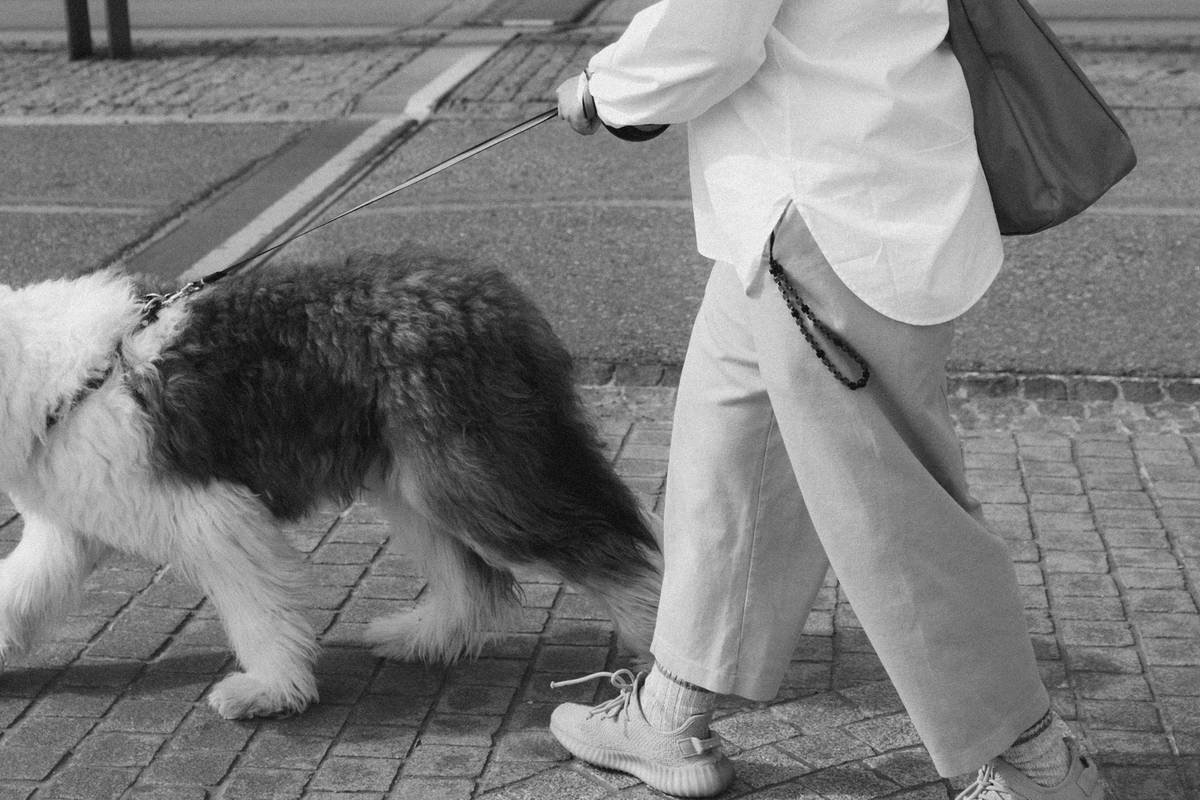
Ever watched someone struggle to open a door with a walker while their service dog sits idle—not because they’re disobedient, but because they were never taught how to help? I’ve been there. Early in my career as a certified service dog trainer, I assumed all “trained” dogs knew basic mobility tasks. Spoiler: they didn’t. And that gap can mean the difference between independence and isolation for someone with a physical disability.
If you’re exploring Mobility Assistance Training—whether you’re a handler, caregiver, or aspiring trainer—this post cuts through the fluff. You’ll learn what true mobility assistance entails, how to train it ethically and effectively, where people go wrong (yes, even “professional” programs), and real-world examples that show just how transformative this work can be. No jargon dumps. Just actionable insight from 12 years in the trenches, backed by ADA guidelines, IAADP standards, and hundreds of working partnerships.
Table of Contents
- Why Does Mobility Assistance Training Matter?
- Step-by-Step: How to Train Mobility Tasks Safely & Effectively
- 7 Best Practices Most Trainers Overlook
- Real Case Study: From Fall Risk to Full Independence
- Mobility Assistance Training FAQs
Key Takeaways
- Mobility Assistance Training teaches dogs specific tasks like bracing, counter-balancing, retrieving dropped items, and opening doors—not just obedience.
- Dogs must weigh at least 50 lbs and be physically capable of supporting or counter-balancing without injury (per IAADP standards).
- Improper training can cause joint damage to the dog or unsafe reliance by the handler—never skip veterinary clearance and biomechanical assessment.
- Public access is protected under the ADA only if the dog performs trained tasks directly mitigating a disability.
- Training takes 6–24 months depending on task complexity and handler involvement.
Why Does Mobility Assistance Training Matter?
Over 13 million adults in the U.S. have mobility disabilities that limit walking or climbing stairs (CDC, 2022). For many, a mobility assistance dog isn’t a luxury—it’s a lifeline. But not all “service dogs” are created equal. Obedience ≠ task training. A dog who sits politely won’t stop you from falling when vertigo hits at the grocery store.
Mobility Assistance Training focuses on task-specific behaviors that directly mitigate physical impairments: balance support during ambulation, pulling manual wheelchairs short distances, retrieving medication during a flare-up, or even sensing pre-syncope episodes before a fall occurs.
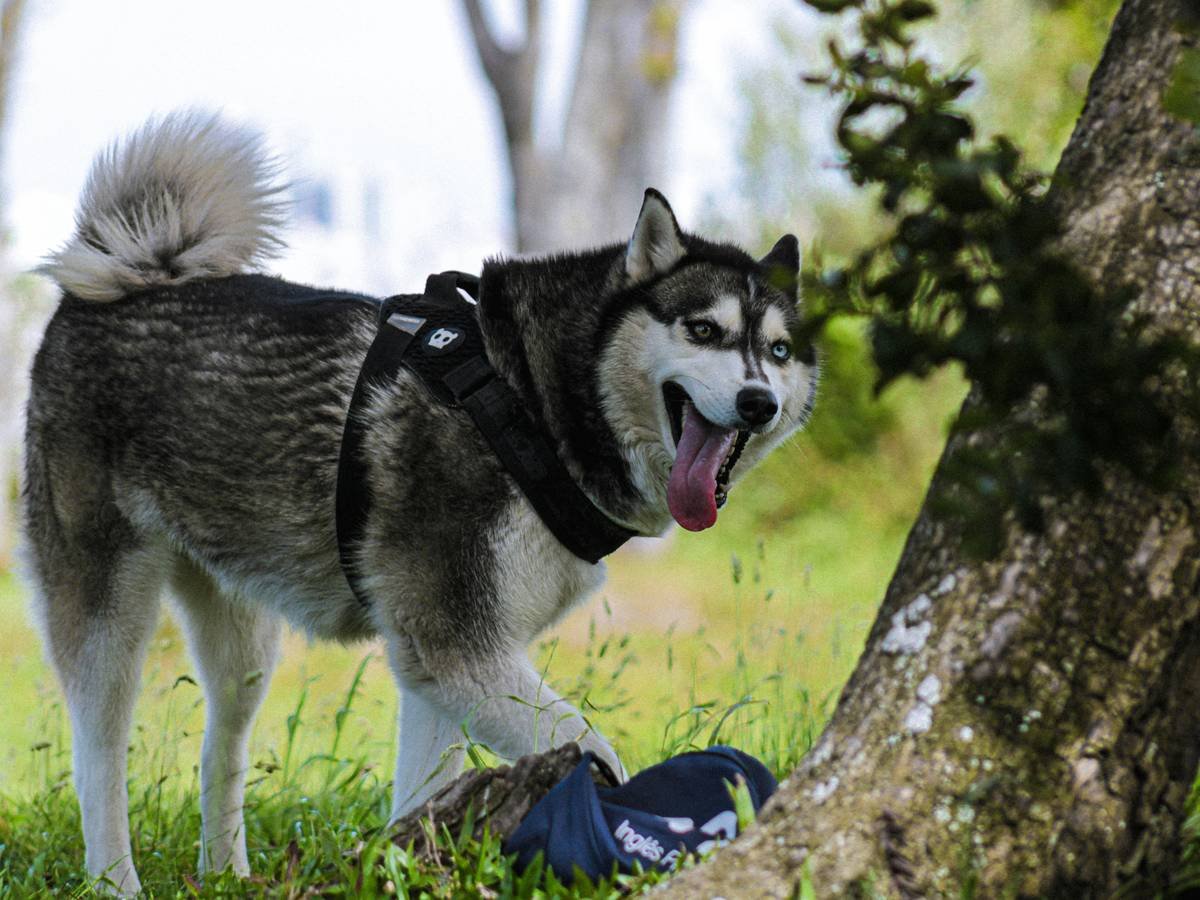
Here’s the painful truth: I once assessed a dog labeled “mobility-trained” who’d been taught to “brace” by leaning against his handler’s leg. Problem? He was a 35-lb spaniel. His hip joints were already showing early signs of dysplasia at age 2—because he was bearing weight far beyond his structural capacity. That’s not assistance; that’s animal endangerment wrapped in good intentions.
Optimist You: “With proper training, a mobility dog can restore autonomy!”
Grumpy You: “Ugh, fine—but only if you respect biomechanics and never treat your dog like a crutch.”
Step-by-Step: How to Train Mobility Tasks Safely & Effectively
How do you actually teach mobility tasks without wrecking your dog’s health—or your own safety?
Forget YouTube hacks. Real mobility training follows a phased, vet-supervised protocol. Here’s how it’s done right.
Step 1: Veterinary & Biomechanical Clearance
Before any weight-bearing task, get your dog cleared by a vet specializing in canine sports medicine or rehabilitation. We assess gait, joint stability, and muscle symmetry. I use force plate analysis when available—sounds like your laptop fan during a 4K render (whirrrr) but worth every penny.
Step 2: Foundation Skills First
No task over flashy tricks. Your dog must master:
- Solid loose-leash walking
- “Place” or stationing on cue (e.g., next to a chair)
- Impulse control around distractions
Without these, advanced tasks become chaos.
Step 3: Task-Specific Shaping
Take counter-balance walking: we start WITHOUT the handler moving. The dog learns to stand parallel, then gently leans into pressure from my hand (mimicking body sway). Gradually, we introduce micro-movements, then full walking—all while monitoring the dog’s spine alignment and shoulder angle. If their back dips? Stop. Reset. This isn’t Instagram. Perfection prevents herniated discs.
Step 4: Generalization & Public Proofing
A dog who braces perfectly in your living room might panic near escalators. We systematically expose them to malls, buses, crowded sidewalks—always prioritizing calm over compliance.
7 Best Practices Most Trainers Overlook
What separates ethical mobility trainers from well-meaning amateurs?
- Never train bracing below 18 months old. Growth plates fuse late in large breeds (up to 24 months). Early weight-bearing = lifelong arthritis.
- Use harnesses designed for mobility work. Regular service vests don’t distribute load. Look for ergonomic, padded chest/back support (we swear by brands like RuffWear Web Master Pro).
- Limit brace duration. Even fit dogs fatigue. Sessions should last < 10 minutes initially.
- Teach “release” cues. “Okay” or “free” tells the dog they’re off duty—critical for mental health.
- Track subtle stress signals. Lip licking, whale eye, or sudden sniffing = stop immediately.
- Involve an occupational therapist. They understand human biomechanics better than any dog trainer.
- Document everything. Training logs help spot regression early (and prove legitimacy if questioned in public).
Terrible Tip Disclaimer: “Just let your dog lean on you whenever you feel wobbly.” Nope. Unstructured leaning teaches inconsistency and strains the dog’s shoulders. Structure saves lives—canine and human.
Real Case Study: From Fall Risk to Full Independence
Can Mobility Assistance Training really change someone’s life?
Absolutely. Meet Elena, 68, diagnosed with MS. Before training, she averaged 3 falls/month. Her neurologist recommended a wheelchair—but she refused. Enter Luna, a 75-lb Labrador mix.
We spent 14 months building:
- Counter-balance walking for uneven terrain
- Retrieving her EpiPen-like MS medication bottle
- Opening/closing bedroom doors with a tug strap
Result? Zero falls in 11 months. She now walks to her local park daily—with Luna stabilizing her through gravel paths and curbs. Bonus: Luna alerts to Elena’s rising core temperature (a sign of pseudoexacerbation), nudging her toward shade before symptoms escalate.
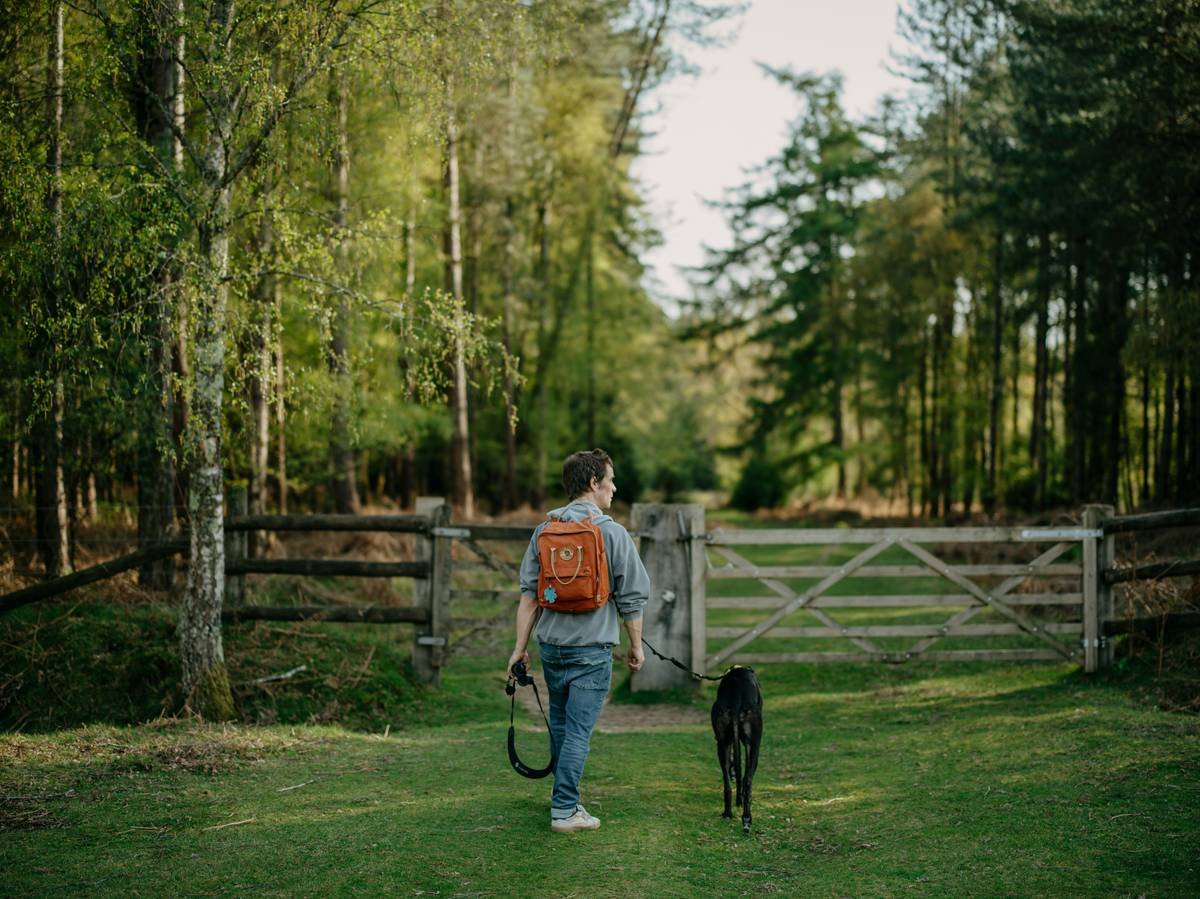
This isn’t magic. It’s methodical, science-backed training meeting deep empathy.
Mobility Assistance Training FAQs
Can any dog be a mobility assistance dog?
No. Ideal candidates are calm, physically robust breeds (Labrador Retrievers, Golden Retrievers, Standard Poodles) weighing ≥50 lbs. Temperament matters more than breed—but structure is non-negotiable.
How long does training take?
6–24 months. Simple tasks (retrieval) may take 3–6 months. Complex ones (bracing, wheelchair pull) require 12+ months of progressive conditioning.
Is it legal to train your own mobility dog?
Yes! The ADA permits owner-training. However, public access can only be claimed once the dog reliably performs disability-mitigating tasks.
Do mobility dogs need certification?
No federal certification exists. Avoid programs selling “certificates”—they hold no legal weight. What matters is demonstrable task performance.
What’s the biggest mistake handlers make?
Skipping veterinary input. I’ve seen too many dogs develop spondylosis from improper bracing mechanics. Your vet isn’t optional—they’re part of the team.
Conclusion
Mobility Assistance Training isn’t about teaching tricks—it’s about engineering trust, safety, and autonomy through precise, compassionate collaboration between human and dog. Done right, it transforms lives. Done wrong, it risks both species.
If you take one thing away: prioritize your dog’s physical and emotional well-being as fiercely as your own. Because real assistance isn’t measured in tasks completed—it’s measured in years of healthy partnership.
Like a Tamagotchi, your mobility dog needs daily care, attention, and love—not just commands.
Balanced steps shared,
Dog and handler move as one—
Independence blooms.