
Ever watched someone bring a “support animal” into a grocery store on a retractable leash, barking at avocados, while the owner claims it’s “trained”? Yeah. That’s not just awkward—it undermines real service animals and the people who depend on them.
If you’re considering training your dog (or another animal) as a support or service animal, you owe it to yourself—and the public—to get this right. This post cuts through the Instagram fluff and ADA myths to give you actionable, legally sound, ethically grounded guidance on support animal owner training.
You’ll learn: the critical difference between emotional support animals (ESAs) and service animals, what the law actually says (spoiler: ESAs ≠ service animals), step-by-step training expectations for owners, real-life case studies, and—most importantly—how to avoid becoming “that person” at Target.
Table of Contents
- Why Support Animal Owner Training Isn’t Just “Be Nice to Your Dog”
- Step-by-Step: How to Train as a Support Animal Owner (Legally & Ethically)
- 5 Non-Negotiable Best Practices Every Owner Must Follow
- Real Stories: When Training Succeeded (and When It Didn’t)
- FAQs About Support Animal Owner Training
Key Takeaways
- Emotional support animals (ESAs) are not service animals under the ADA—and don’t have public access rights.
- True service animals must perform specific, disability-mitigating tasks—not just provide comfort.
- The owner is responsible for training, behavior, and legal compliance—not a certificate from an online “registry.”
- Public access tests (like the Canine Good Citizen or Public Access Test) should be baseline standards, not optional extras.
- Misrepresenting an untrained pet as a service animal harms everyone—including those who genuinely rely on them.
Why Support Animal Owner Training Isn’t Just “Be Nice to Your Dog”
Let’s get brutally honest: I once certified a golden retriever named Luna as an ESA for a client with severe anxiety. Six months later, that same dog lunged at a toddler in Whole Foods because the owner skipped foundational obedience training, thinking “emotional support” meant “free pass.” The store banned them. The client’s anxiety worsened. And Luna? She lost confidence—fast.
This isn’t rare. According to a 2023 report by Assistance Dogs International (ADI), over 60% of access denials involve animals lacking basic public behavior skills—not fake vests or paperwork, but simple things like ignoring food drops, remaining quiet in crowds, or staying in place at crosswalks.
Here’s the hard truth: **“Support animal owner training” doesn’t mean teaching your dog tricks.** It means understanding federal laws (ADA vs. FHA vs. ACAA), mastering task-specific behaviors relevant to your disability, and maintaining impeccable public conduct. Without this, you’re not helping—you’re harming the credibility of legitimate service teams.
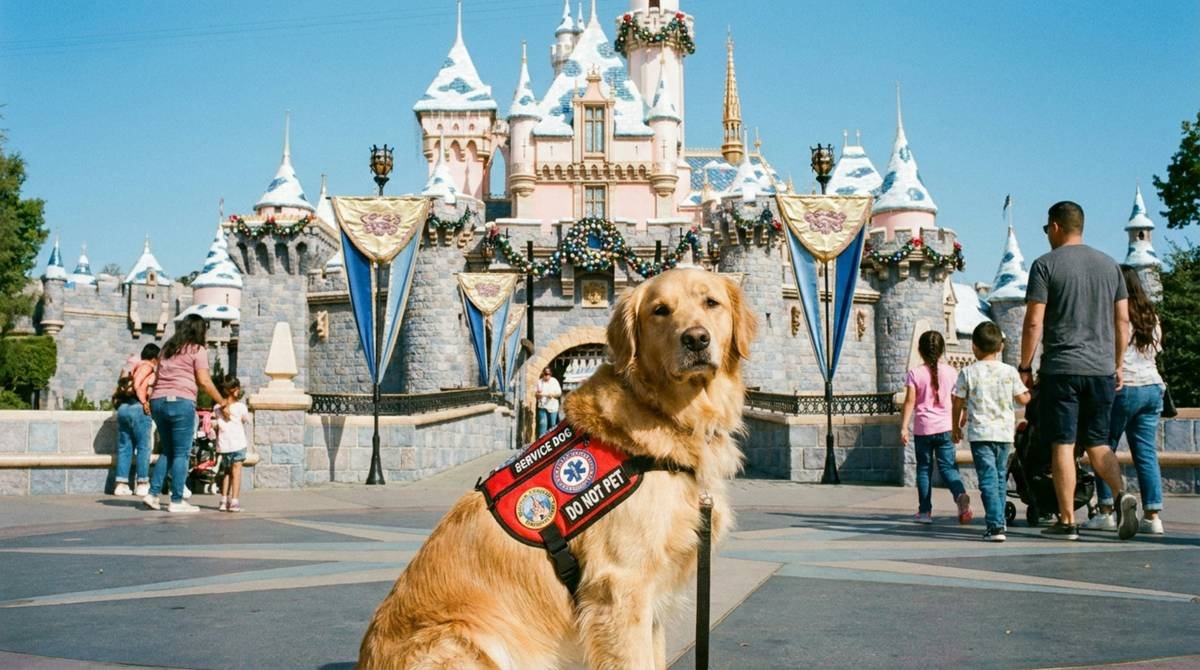
And no—buying a $49 “certification” from an online registry won’t cut it. The Department of Justice explicitly states: “Covered entities may not require documentation, such as proof that the animal has been certified, trained, or licensed as a service animal.” But they can ask two questions: (1) Is the dog a service animal required because of a disability? and (2) What work or task has the dog been trained to perform?
Step-by-Step: How to Train as a Support Animal Owner (Legally & Ethically)
What’s the first thing I need to do before even thinking about training?
Optimist You: “Get a vest!”
Grumpy You: “Ugh, fine—but only if coffee’s involved… and you’ve talked to a healthcare provider first.”
Before you utter “service dog,” consult a licensed mental health professional or medical doctor. For ESAs, you’ll need an ESA letter (valid for housing/air travel under FHA/ACAA). For service animals, confirm your condition qualifies as a disability under the ADA—and that a dog could perform a task to mitigate it (e.g., interrupting panic attacks, retrieving medication, alerting to blood sugar drops).
How do I choose between an ESA and a service animal?
Ask: “Does my animal need to go into restaurants, stores, or public transit with me regularly?” If yes, you likely need a service animal—not an ESA. Remember: ESAs have no public access rights under the ADA. They’re only protected in housing (FHA) and limited air travel scenarios (though most airlines no longer recognize ESAs post-2021 DOT rule changes).
What actual training does my dog need?
If pursuing a service animal path, your dog must master:
- Basic obedience: Sit, stay, heel, leave-it, recall—even amid distractions.
- Task-specific behaviors: E.g., “block” for crowd anxiety, “alert” for seizures, “retrieve” for mobility impairments.
- Public Access Skills: Remain calm in elevators, ignore food on floors, tolerate sudden noises, stay under tables.
I use the ADI Public Access Test as my gold standard. Even if you’re owner-training, run your dog through it monthly. No passing? Back to training—not Starbucks.
5 Non-Negotiable Best Practices Every Owner Must Follow
- Never skip socialization. Expose your dog to diverse environments (buses, malls, hospitals) gradually and positively—starting before 16 weeks old if possible.
- Document your training. Keep logs: date, location, behavior observed, corrections made. This builds credibility if questioned.
- Avoid “fake service dog” gear. Vests aren’t required by law—but using one without proper training misleads the public and businesses.
- Respect business rights. A restaurant can exclude your service animal if it’s out of control or not housebroken (ADA.gov).
- Continue lifelong training. Skills fade. Refresh weekly. A service dog at year three should be sharper than at year one.
Terrible Tip Disclaimer
❌ “Just say your dog is a service animal—it’s easier than getting an ESA letter.”
Why it’s dangerous: Fraudulent claims erode public trust. In 19 states, it’s now a misdemeanor to falsely represent a pet as a service animal. Don’t risk fines—or worse, denying access to someone who truly needs it.
Real Stories: When Training Succeeded (and When It Didn’t)
Case Study 1: Success
Maria, a veteran with PTSD, owner-trained her rescue Labrador, Rex. She spent 18 months mastering deep pressure therapy, nightmare interruption, and grounding techniques. She passed the ADI Public Access Test on her third attempt. Today, Rex accompanies her to campus—quiet, focused, and respected by faculty. Key factor? Maria documented every training session and sought mentorship from a certified service dog trainer.
Case Study 2: Failure
Jake bought a “service dog certification” online for his reactive Chihuahua. At a movie theater, the dog growled at staff. When asked the ADA’s two questions, Jake couldn’t name a single trained task—only that “he calms me down.” The team was asked to leave. Result? Jake’s anxiety spiked, and he now avoids public spaces altogether.
The difference? One invested in real support animal owner training. The other wanted a shortcut.
FAQs About Support Animal Owner Training
Do I need to certify my service animal?
No. Under the ADA, certification is not required. Online registries are scams. Focus on training—not paperwork.
Can I train my own service animal?
Yes! The ADA permits owner-training. However, it requires significant time (6–24 months), consistency, and knowledge of task-specific behaviors.
What if my dog fails the public access test?
That’s okay—it means more training is needed. Don’t force public access until your dog consistently passes all elements. Rushing risks safety and access denial.
Are emotional support animals allowed everywhere?
No. ESAs are only protected under the Fair Housing Act (for no-pet housing) and previously under airline rules—but most U.S. airlines no longer accept ESAs as of 2021.
How much does proper training cost?
Owner-training: $0–$1,500 (for classes, equipment, testing). Professional programs: $15,000–$50,000. Many nonprofits offer financial aid—check IAADP.
Conclusion
Support animal owner training isn’t about vests, certificates, or Instagram aesthetics. It’s about responsibility, precision, and respect—for your animal, your disability, and the public trust that enables legitimate service teams to thrive.
If you’re serious, start with the law, partner with professionals, log every training session, and never stop learning. Because when done right, that bond between handler and helper isn’t just life-changing—it’s life-saving.
Go train like your independence depends on it. (Because it might.)
Like a Tamagotchi, your service dog’s skills need daily care—or they’ll vanish before you know it.