Most service dogs fail not because of poor obedience—but because they weren’t trained for the *exact* tasks their handlers need. Generic commands like “sit” or “stay” won’t open a medicine cabinet during a panic attack. They won’t detect low blood sugar before a diabetic seizure hits. And they certainly won’t interrupt self-harming behaviors with calibrated pressure. The real crisis? Trainers often stop at public access skills and call it a day. But true independence hinges on service dog specialized tasks—custom, reliable, life-altering actions wired into the dog’s daily response system.
Why Standard Training Protocols Fall Short
Traditional programs prioritize socialization and obedience. That’s table stakes—not the main course. A dog that walks politely on leash but can’t retrieve an inhaler from a backpack during an asthma flare-up is functionally useless in a medical emergency. Agencies churn out “certified” dogs using cookie-cutter curricula, ignoring the nuanced, individualized demands of disability. Worse—they rarely test task reliability under stress. Real-world triggers (crowds, sudden noises, handler distress) unravel poorly conditioned behaviors.
And here’s the uncomfortable truth: many private owners attempt DIY task training without understanding behavioral chaining or stimulus control. The result? Half-formed cues, inconsistent responses, and dogs confused by mixed signals. Task training isn’t just teaching tricks—it’s engineering behavior with surgical precision.
How to Build Reliable Service Dog Specialized Tasks
Forget vague goals like “help with anxiety.” Start with hyper-specific, measurable outcomes. Then layer training using operant conditioning, not guesswork.
Step 1: Define the Exact Behavioral Endpoint
“Alert to seizures” is too broad. Instead: “Nudge handler’s left hand with nose within 3 seconds of detecting subtle pre-ictal odor change, then lie across lap to prevent falling.” Ambiguity kills reliability.
Step 2: Backchain Complex Behaviors
Teach the final action first. For deep pressure therapy (DPT), start with the dog holding still while lying across legs—then add duration, then movement to position, then cue recognition. Backchaining builds confidence and reduces errors.
Step 3: Stress-Inoculate Every Task
Practice retrieval tasks amid vacuum noise. Train blocking behaviors in grocery store aisles. Gradually increase distraction intensity—never all at once. If the dog fails, you’ve moved too fast.
| Training Method | Time to Reliability | Average Cost (USD) | Best For |
|---|---|---|---|
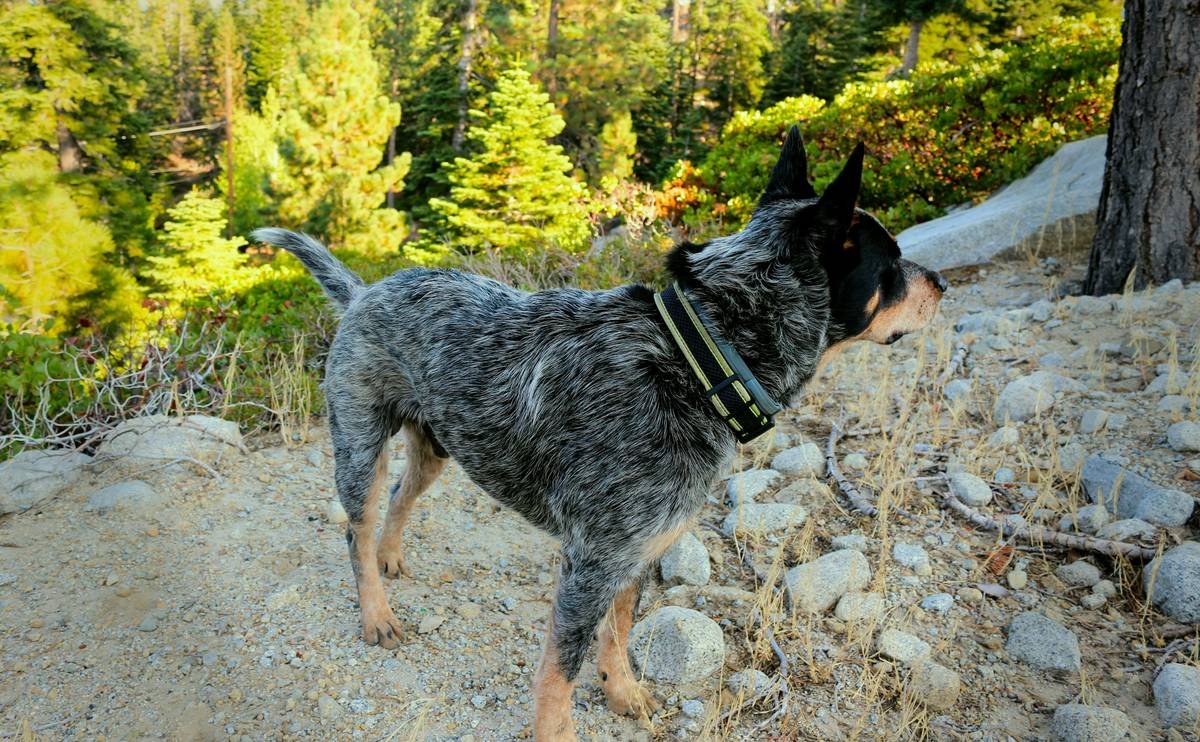
| Professional Program (Full-Custom) | 18–24 months | $25,000–$50,000 | Complex medical/psychiatric tasks requiring high precision |
| Owner-Trained w/ Mentor | 12–20 months | $3,000–$8,000 | Motivated handlers with strong training literacy |
| DYI (No Structured Plan) | Unpredictable / Often Fails | $500–$2,000 | Low-stakes support (not recommended for critical tasks) |
The Industry Secret: Task Generalization Is a Myth
Here’s what top-tier trainers won’t advertise: dogs don’t “generalize” tasks well. A dog trained to turn on lights in your kitchen may freeze in a hotel room. The neural pathway is location- and context-dependent. So elite programs use context flooding—practicing the same task across dozens of environments before considering it “trained.” But even then, maintenance matters. Miss two weeks of DPT practice? Your dog might hesitate when you’re having a dissociative episode. Reliability decays faster than most realize. The math is simple: if a task isn’t rehearsed weekly in varied settings, it’s not truly in the dog’s repertoire. Period.
Frequently Asked Questions
What qualifies as a legitimate service dog specialized task?
It must mitigate a specific disability symptom. Examples: guiding during vision loss, alerting to allergens, interrupting repetitive behaviors in autism, fetching emergency meds. Comfort alone doesn’t count.
Can I train my own dog for specialized tasks?
Yes—if you have advanced training skills. Most owner-trained dogs fail due to poor criteria setting or inadequate proofing. Seek a certified task-training mentor early.
How long does specialized task training take?
Minimum 6–12 months per complex task, assuming consistent daily work. Simple retrieves may take weeks; multi-step medical alerts often require over a year.