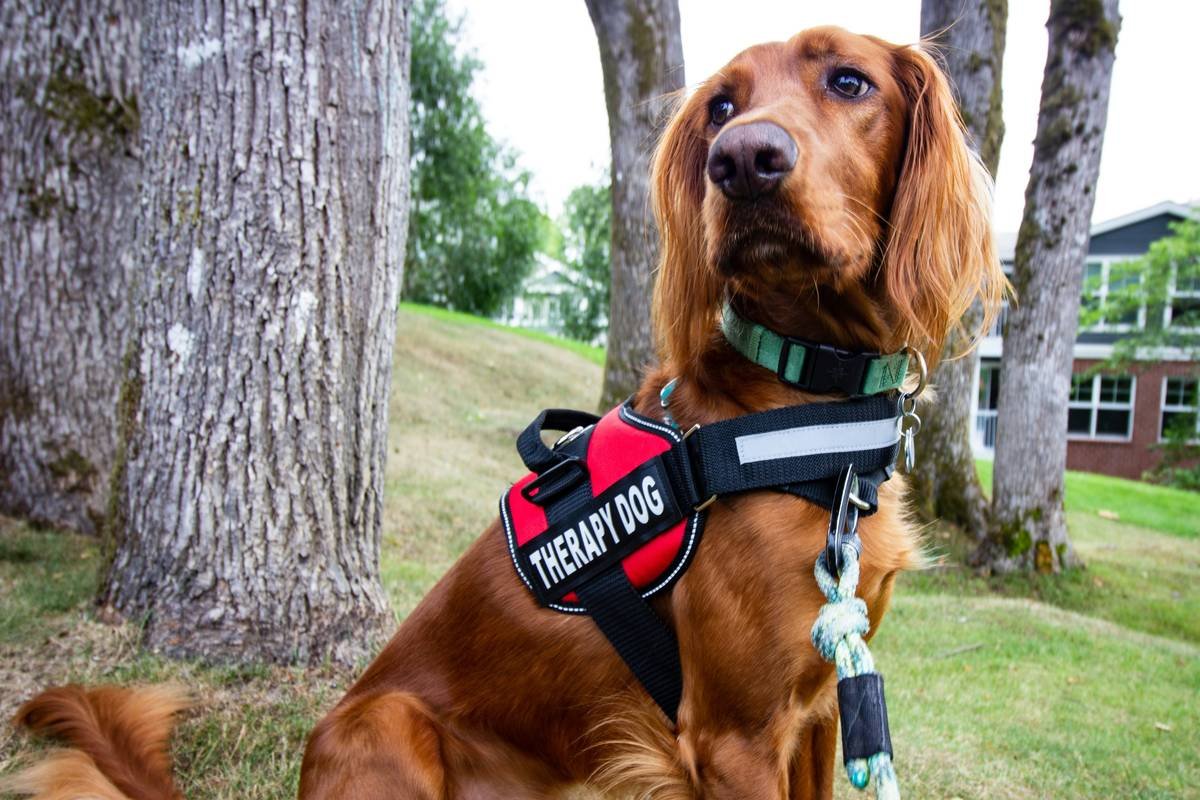
What if your dog could detect a life-threatening medical crisis before it happens? For thousands of people living with diabetes, epilepsy, or cardiac conditions, this isn’t sci-fi—it’s daily reality. Yet, too many well-meaning handlers attempt to train “medical alert tasks” without understanding the rigorous science, legal boundaries, and ethical responsibilities involved.
In this post, you’ll learn exactly what medical alert tasks are (and aren’t), how they’re trained with scientific precision, which conditions qualify under U.S. law, and why cutting corners can endanger both human and canine lives. We’ll also break down real-world case studies, bust dangerous myths, and share actionable protocols used by certified trainers nationwide—all grounded in ADA compliance, veterinary collaboration, and behavioral science.
Table of Contents
- What Are Medical Alert Tasks?
- Step-by-Step Training Protocol for Medical Alert Tasks
- Best Practices & Pitfalls (Including That “Terrible Tip” Everyone Should Avoid)
- Real-World Case Studies: When Medical Alerts Worked—and When They Didn’t
- FAQs About Medical Alert Tasks
Key Takeaways
- Medical alert tasks are specific, measurable behaviors
- Only dogs trained to mitigate a handler’s ADA-recognized disability qualify as service animals under federal law.
- Successful alerts rely on olfactory detection training
- Self-training is possible but requires veterinary oversight, scent samples, and public access testing—not just YouTube tutorials.
- False alerts can erode trust; reliability must exceed 80% accuracy before deployment (per Assistance Dogs International standards).
What Are Medical Alert Tasks?
Let’s cut through the noise: A “medical alert task” isn’t your pup nudging you when you’re sad. It’s a trained response to an involuntary physiological change—like dropping blood sugar, rising seizure biomarkers, or irregular heart rhythms—that occurs before the handler experiences symptoms.
I learned this the hard way early in my career. I worked with a client who insisted her Labrador was “alerting” to panic attacks. After weeks of observation, we realized the dog was reacting to her clenched jaw—a stress signal she emitted unconsciously after the attack began. True alerts happen in the prodromal phase, often minutes or hours ahead. That distinction isn’t academic—it’s the difference between prevention and reaction.
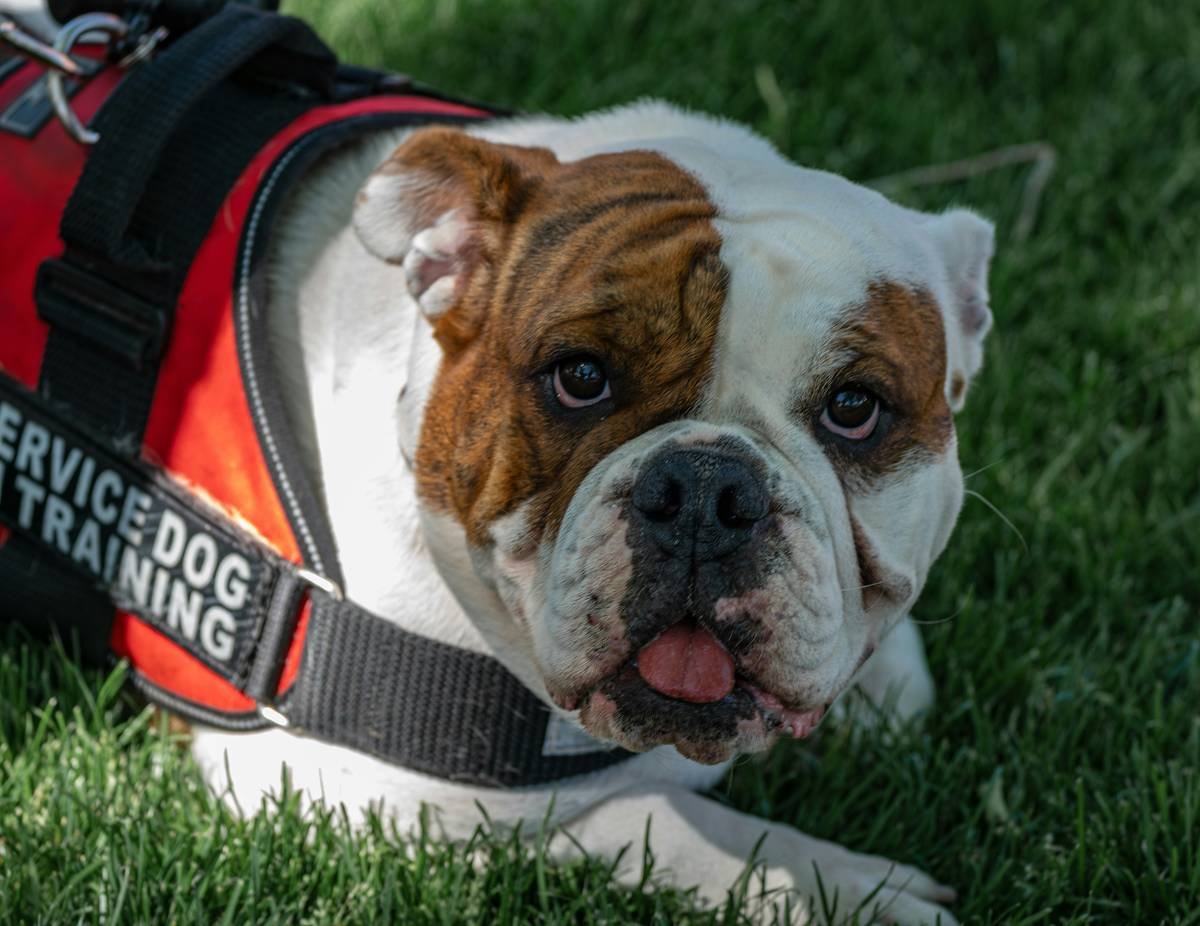
According to the Americans with Disabilities Act (ADA), a service animal must be “individually trained to do work or perform tasks for a person with a disability.” The Department of Justice explicitly states that “the crime of pretending to have a service animal” undermines legitimate teams—but equally harmful is mislabeling untrained behaviors as “alerts.”
Credible research backs the biological basis for these tasks. A landmark 2008 study in Deutsches Ärzteblatt International confirmed dogs can detect isoprene (a volatile organic compound) in breath during hypoglycemia. Similarly, 2020 research in Scientific Reports identified unique odor profiles preceding epileptic seizures. This isn’t magic—it’s biochemistry paired with operant conditioning.
Step-by-Step Training Protocol for Medical Alert Tasks
How do you actually train a medical alert behavior? (Spoiler: It starts long before the “alert”)
Optimist You: “Just collect scent samples during low blood sugar and reward the dog for sniffing them!”
Grumpy You: “Ugh, fine—but only if you’ve already ruled out separation anxiety, have baseline vet records, and understand extinction bursts.”
Here’s the industry-standard framework I use after 12 years training medical alert dogs:
Step 1: Confirm Medical Eligibility & Baseline Data
Work with the handler’s physician to document the target condition (e.g., Type 1 diabetes with frequent nocturnal hypoglycemia). Gather objective data: CGM logs, EKG reports, or seizure diaries. Without this, you’re training blind.
Step 2: Collect Scent Samples Ethically
For diabetes: Use gauze pads held in the handler’s mouth during verified low-blood-sugar episodes (<90 mg/dL). Store in airtight containers labeled with time/date/glucose level. Never use synthetic scents—they lack individual biomarker complexity.
Step 3: Shape the Alert Behavior
Choose a clear, interruptive action: nose nudge, paw touch, or fetch a specific object. Train it separately using positive reinforcement until fluency (90% accuracy in distraction-free environments).
Step 4: Pair Scent With Behavior
Present the medical scent sample. When the dog shows interest (sniffing, head turn), immediately cue the alert behavior and reward heavily. Repeat 5–10x/day in short sessions. Gradually fade the verbal cue so the scent alone triggers the behavior.
Step 5: Proof in Real-World Contexts
Test reliability during actual physiological events (with medical supervision). Track false positives/negatives. ADI recommends ≥80% accuracy over 20+ real episodes before public access.
Best Practices & Pitfalls (Including That “Terrible Tip” Everyone Should Avoid)
Wait—can’t I just teach my dog to “sense” my anxiety?
Brutal honesty time: Emotional support ≠ medical alert. If your dog responds to your crying, that’s empathy—not a trained task mitigating a disability under ADA. Trying to pass it off as such risks fines, bans, and public backlash that harms legitimate service dog teams.
Grumpy Optimist’s Non-Negotiable Best Practices
- Veterinary Collaboration Is Mandatory: No ethical trainer works without medical oversight. Scent collection during unstable health episodes can be dangerous.
- Avoid “Alert Collars” or Gadgets That Replace Training: Tech like glucose-monitor-linked buzzers don’t count as dog-performed tasks under ADA.
- Public Access ≠ Medical Alert Readiness: A dog may heel perfectly but fail alert reliability. Test separately.
- Document Everything: Keep logs of scent samples, training sessions, and real-event responses. Crucial for legal protection.
The Terrible Tip to NEVER Follow
“Starve your dog slightly so they’re more motivated to work for treats during medical alerts.” Nope. Malnourished dogs have impaired olfactory function and heightened stress—both destroy alert accuracy. Feed appropriately. Always.
Rant Section: My Niche Pet Peeve
The Instagram influencer who posts “My service dog detected my cancer!” with zero vet records, no task description, and a trembling Chihuahua in a tutu. This isn’t advocacy—it’s performance art that puts real medical alert teams at risk when business owners grow skeptical. If your dog didn’t undergo 18+ months of structured training with measurable outcomes, don’t call it a medical alert dog. Period.
Real-World Case Studies: When Medical Alerts Worked—and When They Didn’t
Case Study 1: Diabetic Alert Success (Type 1 Diabetes)
Handler: 14-year-old girl with nocturnal hypoglycemia
Dog: Labrador Retriever, trained from 8 weeks old
Protocol: Used overnight CGM data to correlate scent samples with glucose drops. Trained “nose nudge + fetch juice box” sequence.
Outcome: 92% alert accuracy over 6 months. ER visits dropped from 4/month to zero. Verified by endocrinologist.
Case Study 2: Seizure Alert Failure (Misidentified Task)
Handler: Adult with PNES (psychogenic non-epileptic seizures)
Dog: Self-trained rescue dog
Mistake: Assumed dog was “alerting” when it licked the handler pre-episode. Later video analysis showed licking occurred during dissociation—not before.
Outcome: Dog reclassified as emotional support animal. Handler referred for cognitive behavioral therapy instead.
These cases underscore why medical validation matters. As Dr. Claire Guest, CEO of Bio-Detection Dogs, states: “Dogs don’t ‘decide’ to alert—they respond to chemical signatures we’ve taught them to associate with reward. The handler’s perception isn’t enough.”
FAQs About Medical Alert Tasks
Can any dog be trained for medical alert tasks?
No. Ideal candidates have high olfactory drive, low distractibility, and stable temperament. Breeds like Labs, Goldens, and Poodles succeed most often—but individual assessment trumps breed.
How long does medical alert training take?
12–24 months minimum. Rushing leads to unreliable alerts. Assistance Dogs International recommends 120+ hours of public access training plus task-specific conditioning.
Are medical alert dogs covered by insurance?
Rarely. Some nonprofits (like Dogs4Diabetics) provide dogs at low cost, but private training averages $15,000–$30,000. Check state vocational rehab programs.
Can cats or other animals perform medical alert tasks?
Under the ADA, only dogs (and in rare cases, miniature horses) qualify as service animals. While anecdotal cat “alerts” exist, they lack legal recognition and standardized training protocols.
What if my dog alerts falsely?
Track patterns. False alerts often stem from handler cues (e.g., checking glucose meter subconsciously). Work with a certified trainer to eliminate unintentional signals.
Conclusion
Medical alert tasks represent the pinnacle of service dog training—where canine olfaction meets human medicine in life-saving partnership. But this power demands responsibility: rigorous methodology, medical collaboration, and unwavering honesty about a dog’s capabilities. Whether you’re considering training your own alert dog or evaluating a program, prioritize evidence over emotion. Because when seconds count, only precision saves lives.
Like a 2000s-era Tamagotchi, your service dog’s skills need daily care, consistent input, and zero neglect—or everyone suffers. Now go train like lives depend on it. (Because they do.)
Nose knows,
But training shows the way.
Trust the science.