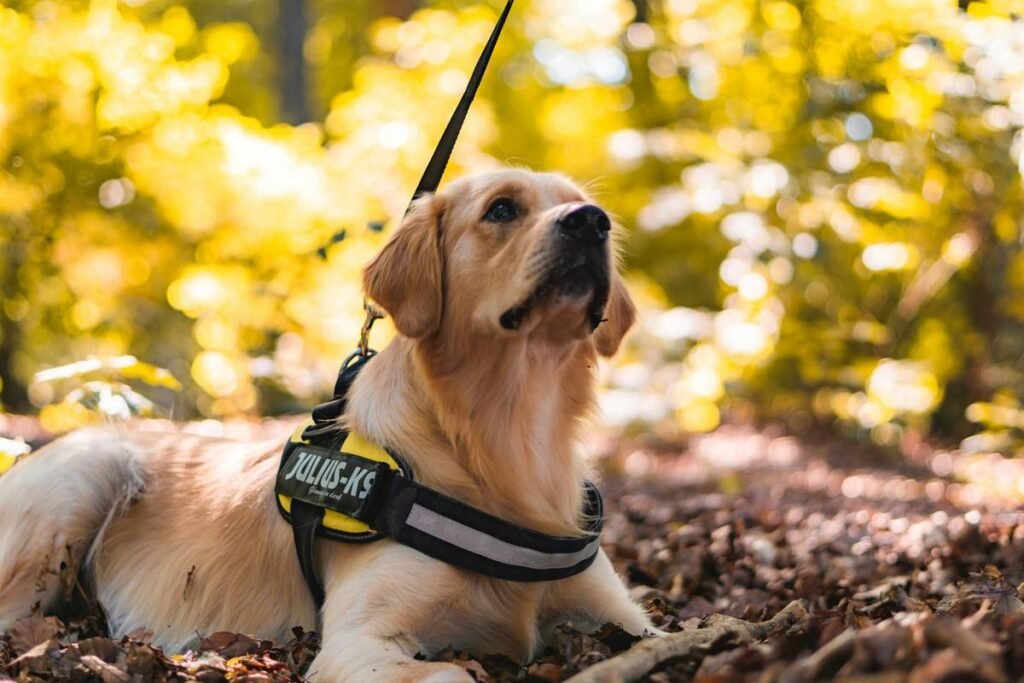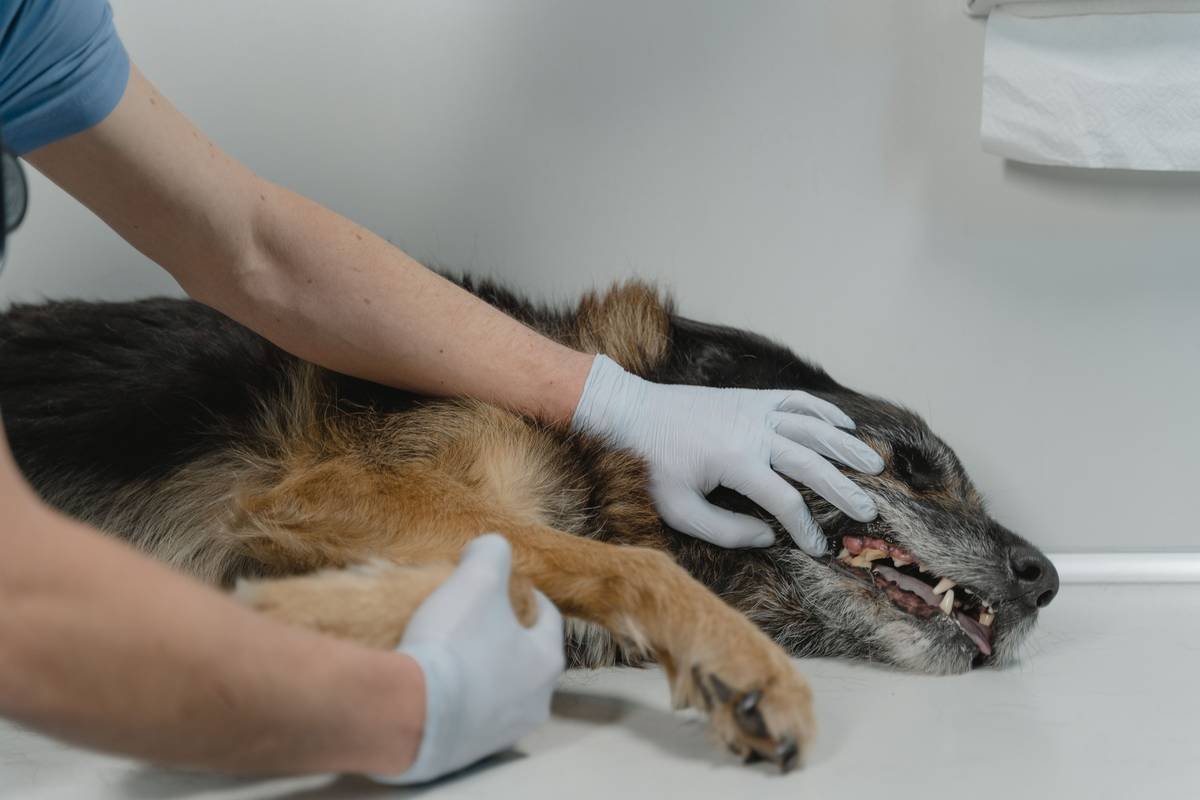
Your service dog isn’t just a pet. It’s your mobility aide, your emotional anchor, your lifeline in public chaos. Yet too many handlers treat veterinary care like an optional tune-up—not the mission-critical maintenance it truly is. Missed appointments, skipped diagnostics, and “wait-and-see” attitudes erode performance faster than you think. The fix? Embed Regular Veterinary Checkups into your animal’s routine like you would insulin or seizure alerts—non-negotiable, scheduled, sacred.
Why Reactive Care Fails Service Animals (And Their Humans)
Most owners swing between two extremes: panic-driven ER visits or total neglect until symptoms scream for attention. Neither works. Service animals operate under chronic physical and cognitive stress—navigating crowds, suppressing instincts, maintaining hyper-vigilance. That wears joints, taxes organs, and muffles early warning signs.
Here’s the reality: a slight limp might mean early arthritis, not “just tired.” A single episode of vomiting could signal toxin exposure from licking contaminated surfaces during a task. By the time obvious symptoms hit, recovery costs triple—and task reliability plummets.
Proactive Protocol: Your Step-by-Step Vet Schedule
This isn’t guesswork. This is operational readiness.
Baseline Diagnostics Before Public Access
No service dog should ever enter public work without full blood panels, cardiac screening, and orthopedic evaluation. You’re not just certifying behavior—you’re certifying biological integrity.
Quarterly Preventive Windows
Every 90 days, regardless of apparent health. Not annually. Quarterly. Why? Early detection of tick-borne diseases, subtle kidney shifts, or dental infections prevents catastrophic failure mid-task.
Task-Specific Monitoring
A diabetic alert dog needs pancreatic enzyme tracking. A mobility dog requires gait analysis and hip scoring. One-size-fits-all checkups miss mission-critical nuances.
| Checkup Frequency | Core Components | Avg. Cost Range | Risk of Skipping |
|---|---|---|---|
| Pre-Deployment (Before Certification) | Full CBC, chemistry panel, urinalysis, echocardiogram, orthopedic exam | $350–$600 | Undetected congenital issues undermine entire training investment |
| Quarterly (Ongoing) | Physical exam, fecal float, dental assessment, task-specific biomarkers | $120–$220 | Latent infections compromise focus during critical tasks |
| Post-Incident (Within 48 hrs) | Trauma screen, toxin panel, neurological eval | $200–$500 | Delayed response turns minor exposures into permanent deficits |
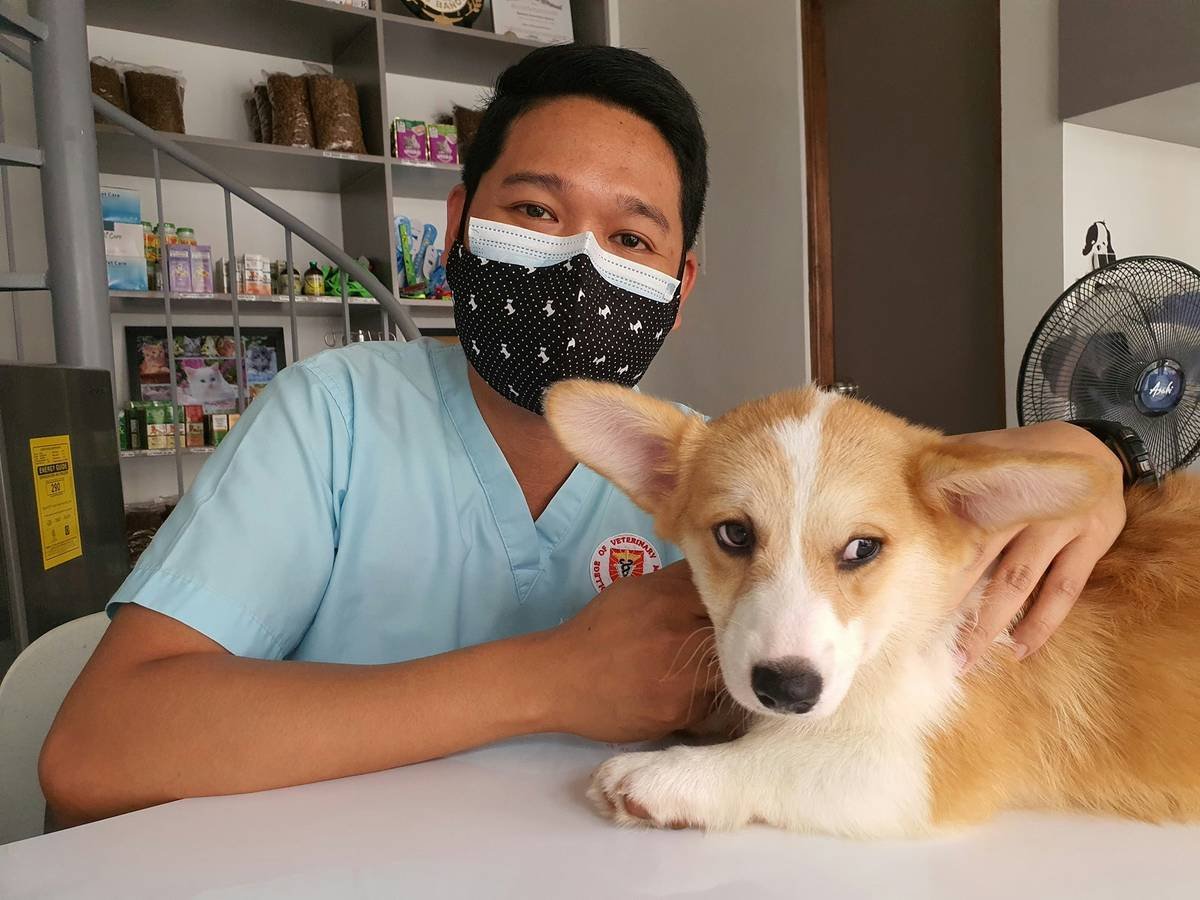
The Industry Secret: Vets Don’t Know Your Dog’s Job (Unless You Tell Them)
Here’s what no trainer will admit: most general-practice veterinarians have zero context for service work demands. They’ll clear a dog with borderline hip dysplasia because “it’s not limping”—ignoring that carrying your dropped keys triggers micro-tears in compromised joints.
Bring a one-page “Job Description” to every appointment. List exact physical tasks: “pulls wheelchair up 10° inclines,” “alerts 15 mins pre-seizure via pawing,” “blocks during crowd surges.” This transforms generic advice into precision medicine. And yes—it changes treatment thresholds. Pain management that’s “unnecessary” for a couch potato becomes essential for a working partner.
The math is simple: a $180 quarterly checkup beats a $3,000 joint surgery after task failure.
Frequently Asked Questions
How often should a service animal see a vet?
At minimum, every 90 days—even if perfectly healthy. Baseline pre-certification exams are non-negotiable. Always add post-incident checks within 48 hours of known exposures or trauma.
Can telehealth replace in-person checkups?
No. Virtual consults help monitor known conditions but can’t assess gait symmetry, palpate organs, or run bloodwork. Physical exams remain essential for early detection.
What if my service dog fears the vet?
Desensitize gradually using task-based rewards. Many clinics offer “quiet hours” for service animals. Never skip care due to anxiety—work with a vet experienced in working-dog behavior modification.