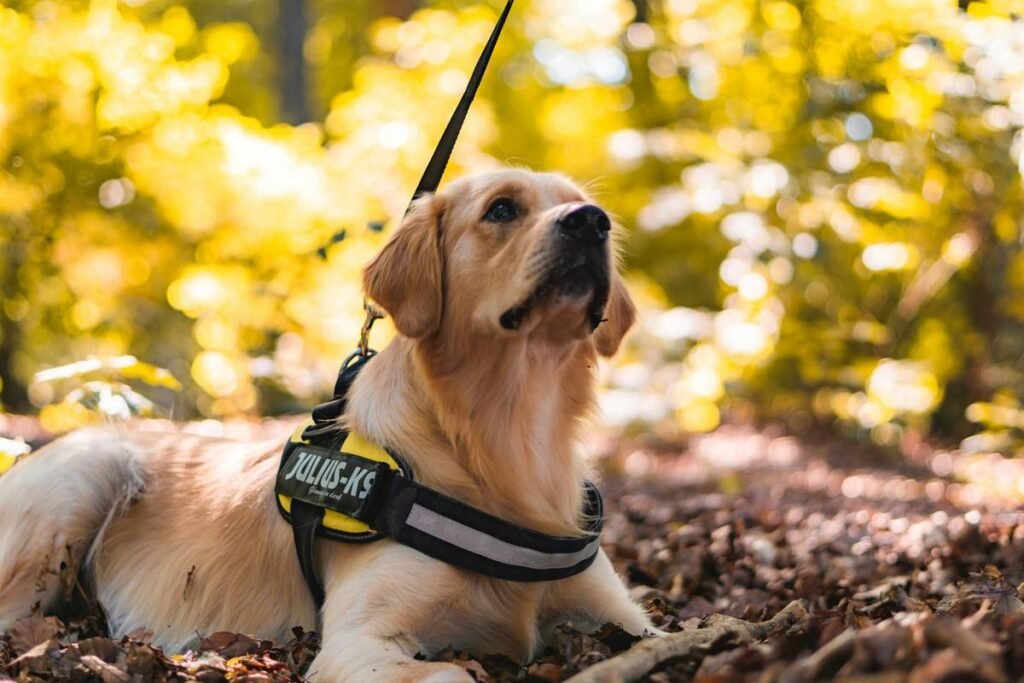
Ever stood in a pet store aisle, overwhelmed by 47 types of treats while your service dog-in-training barks at a squeaky toy? Yeah. Now imagine doing that while managing PTSD, navigating a wheelchair, or recovering from a seizure—and knowing your dog’s behavior could mean the difference between safety and crisis.
If you’re diving into service dog owner training, you’re not just teaching “sit” and “stay.” You’re building a lifeline. But here’s the brutal truth: 56% of owner-trained service dogs never make it to public access readiness (National Library of Medicine, 2019). That stat haunts me—because I’ve been there.
In this guide, you’ll learn:
- Why most owner trainers fail (and how to avoid it)
- The 5 non-negotiable phases of service dog owner training
- Real tools used by ADA-compliant programs
- A case study where owner training *did* work—and why
Table of Contents
- Why Owner Training Is Harder Than You Think
- The 5 Phases of Service Dog Owner Training
- 7 Best Practices That Separate Success From Failure
- Real Case Study: How Sarah Trained Her Psychiatric Service Dog
- FAQ About Service Dog Owner Training
Key Takeaways
- Owner training requires structured planning—not just YouTube tutorials.
- Public access training begins only after foundational obedience and task reliability are solid.
- The ADA does NOT require certification—but your dog must meet behavioral standards.
- Consistency beats intensity: 10 focused minutes daily > 1 chaotic hour weekly.
- Mental health service dogs need different validation than mobility dogs—know your category.
Why Owner Training Is Harder Than You Think
You might assume that because you love your dog, training will come naturally. I thought the same—until my first German Shepherd, Atlas, lunged at a delivery driver during a panic attack simulation. He wasn’t being aggressive; he was mirroring *my* anxiety. That moment taught me: service dog owner training isn’t about commands. It’s about co-regulation.
Unlike guide dogs raised by professionals from 8 weeks old, owner-trained dogs often start later—with pre-existing behaviors, emotional baggage (yours *and* theirs), and zero public exposure. According to Assistance Dogs International (ADI), professionally trained service dogs undergo 120+ hours of public access prep. Most owners log under 30.
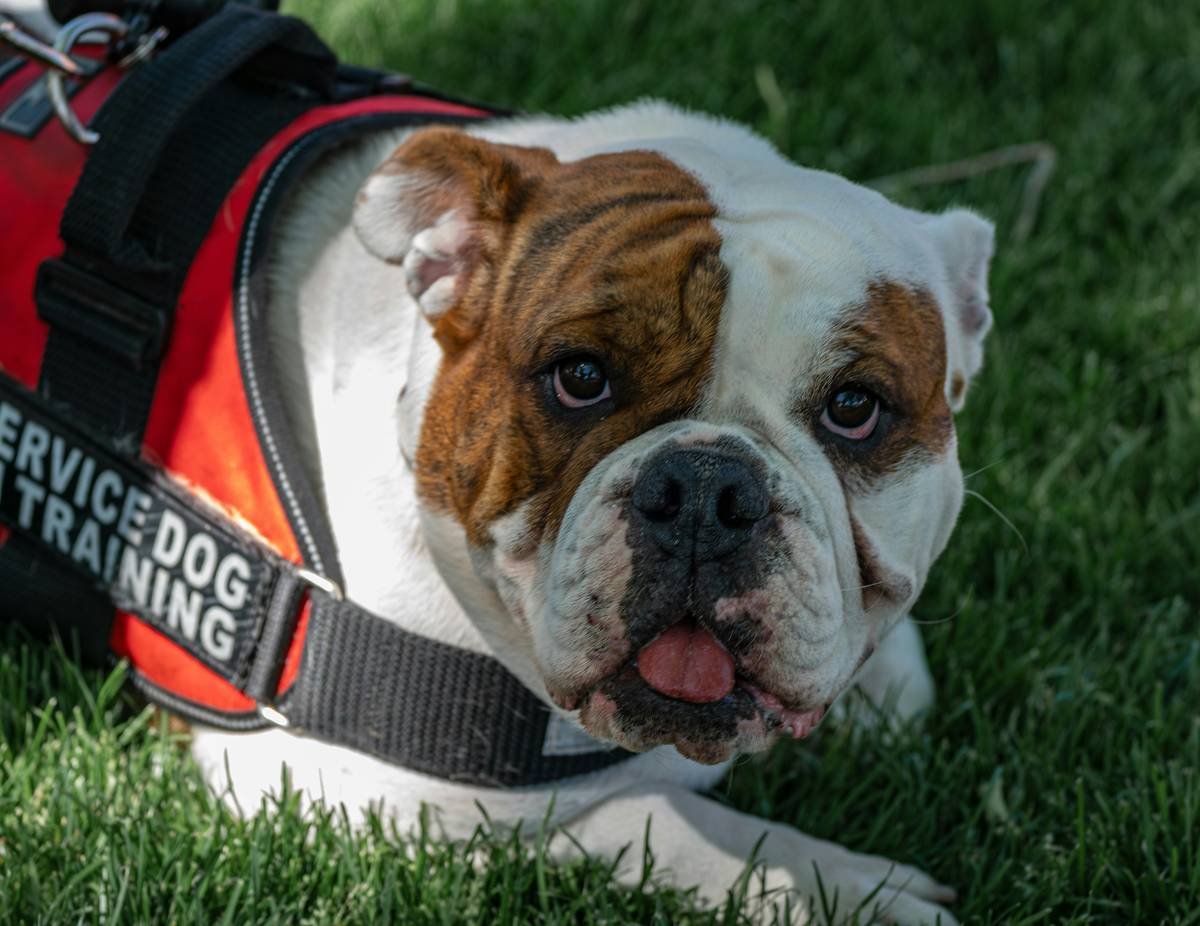
And let’s be real: your local PetSmart class won’t cut it. They teach “off-leash recall” in a fenced yard. A real service dog must perform tasks amid sirens, crowds, and dropped food—all while ignoring distractions. If you don’t simulate those conditions early, you’re setting yourself up for failure.
The 5 Phases of Service Dog Owner Training
Forget “basic → advanced.” Effective owner training follows five overlapping, non-linear phases. Skip one, and your dog may pass a backyard test but fail at Target.
Phase 1: Candidate Assessment (Weeks 1–4)
Not every dog qualifies. Use the IAADP Temperament Test: Can your dog stay calm when a stranger hugs you unexpectedly? Ignore food on the floor? Recover quickly from loud noises?
Optimist You: “My rescue has such heart—they’ll learn!”
Grumpy You: “Heart doesn’t stop them from bolting when a bus backfires. Do the test—or waste 18 months.”
Phase 2: Foundational Obedience & Impulse Control (Weeks 5–16)
This isn’t “sit for treats.” It’s duration-based cues (“Stay until released”) and proofing in distraction-rich environments. Practice “leave-it” with cheese on the sidewalk. Teach “heel” past barking dogs.
Phase 3: Task Development (Ongoing)
Tasks must mitigate *your specific disability*. For diabetes alert dogs: scent discrimination training. For PTSD: deep pressure therapy or room-searching. Document each task’s success rate—consistency matters more than quantity.
Phase 4: Public Access Conditioning (Months 4–12)
Start in low-stimulus places (empty parking lots), then progress to grocery stores at 7 AM. Carry a training log—ADA doesn’t require it, but businesses may ask if your dog is “in training.” A log proves legitimacy.
Phase 5: Maintenance & Advocacy (Lifetime)
Your dog’s skills degrade without upkeep. Plus, you’ll face access challenges. Know your rights under ADA Title III—but also how to de-escalate: “He’s a trained service dog for [disability]. May we please proceed?” works better than quoting statutes mid-aisle.
7 Best Practices That Separate Success From Failure
- Train the handler first. Your energy, timing, and consistency dictate outcomes. If you’re shaky during training, your dog senses uncertainty.
- Use marker training (clicker or verbal). Precision > punishment. A click pinpoints the exact behavior you want—critical for complex tasks like retrieving medication.
- Track data religiously. Log sessions: date, location, distractions present, task accuracy (%). Patterns emerge fast.
- Join a support community. Organizations like Paws for People offer mentorship—not just moral support.
- Simulate real emergencies. Drop a pill bottle. Fake collapse. Does your dog alert or panic?
- Avoid “certification mills.” No online test grants ADA rights. Save your $150.
- Prioritize mental health—for both of you. Burnout kills teams. Schedule rest days.
⚠️ Terrible Tip Alert:
“Just expose your dog to everything at once!” Nope. Flooding causes trauma. Gradual desensitization is science-backed. Respect thresholds.
Real Case Study: How Sarah Trained Her Psychiatric Service Dog
Sarah, a nurse with treatment-resistant PTSD, adopted Luna—a 2-year-old lab mix—from a shelter. Her goal: a dog that could interrupt dissociation and create personal space in crowds.
She followed our 5-phase model but added a twist: she recorded every meltdown and reviewed footage to identify triggers Luna could detect *before* Sarah did. By month 6, Luna nudged Sarah’s hand during rising anxiety (measured via wearable HRV tracker). By month 10, they passed a mock public access test at a quiet mall.
Today, Luna works full-time. Sarah credits three things:
1) Partnering with a certified trainer for monthly check-ins,
2) Using iClickers for task precision,
3) Never skipping “maintenance drills” even post-certification.
Her advice? “Don’t train a service dog. Train a teammate.”
FAQ About Service Dog Owner Training
Do I need a doctor’s letter to owner-train a service dog?
No. The ADA doesn’t require documentation. However, healthcare providers can help define medical tasks (e.g., “retrieve glucose meter during hypoglycemia”).
How long does owner training take?
Typically 12–24 months. Rushing leads to gaps. Remember: reliability > speed.
Can I train a service dog for someone else?
Only if you’re part of an accredited program (ADI or IGDF). Private individuals cannot “gift” trained service dogs and claim ADA compliance.
What breeds work best?
Temperament trumps breed. Labs, Goldens, and Poodles dominate due to biddability—but I’ve seen stellar Shepherds, Standard Schnauzers, and even mutts excel.
Is owner training legal?
Yes! The ADA explicitly allows owner training (ADA.gov). But your dog must meet behavioral standards regardless of who trained them.
Conclusion
Service dog owner training isn’t about perfection—it’s about partnership. It’s messy, emotional, and wildly rewarding when your dog places their head on your lap during a panic attack *without being asked*. Focus on structure, track your progress, and lean on credible resources. And remember: your dog isn’t failing because they’re “stubborn.” They’re communicating. Listen.
Now go grab those high-value treats (chicken beats kibble, sorry) and start small. Your future self—and your service dog—will thank you.
Like a 2000s Tamagotchi, your service dog needs consistent, attentive care—not occasional hype.
paws press on my chest
breathe slows, world softens again
task complete, tail wags